





FAW Mini Dump Truck: A Practical Buyer's Guide to 4x2 Tippers
Faw Trucks | China Faw Jiefang Group
If you are searching for a FAW mini dump truck, you are most likely evaluating a 4×2 light-duty tipper for construction, municipal work, small-scale aggregate hauling, or farm material transport—not a heavy mining dump truck. The confusion in this segment is common: “mini dump truck” is used loosely across different FAW platforms, and the specifications you see online may describe anything from a 3.5-tonne municipal chassis to a 10-tonne-plus construction tipper.
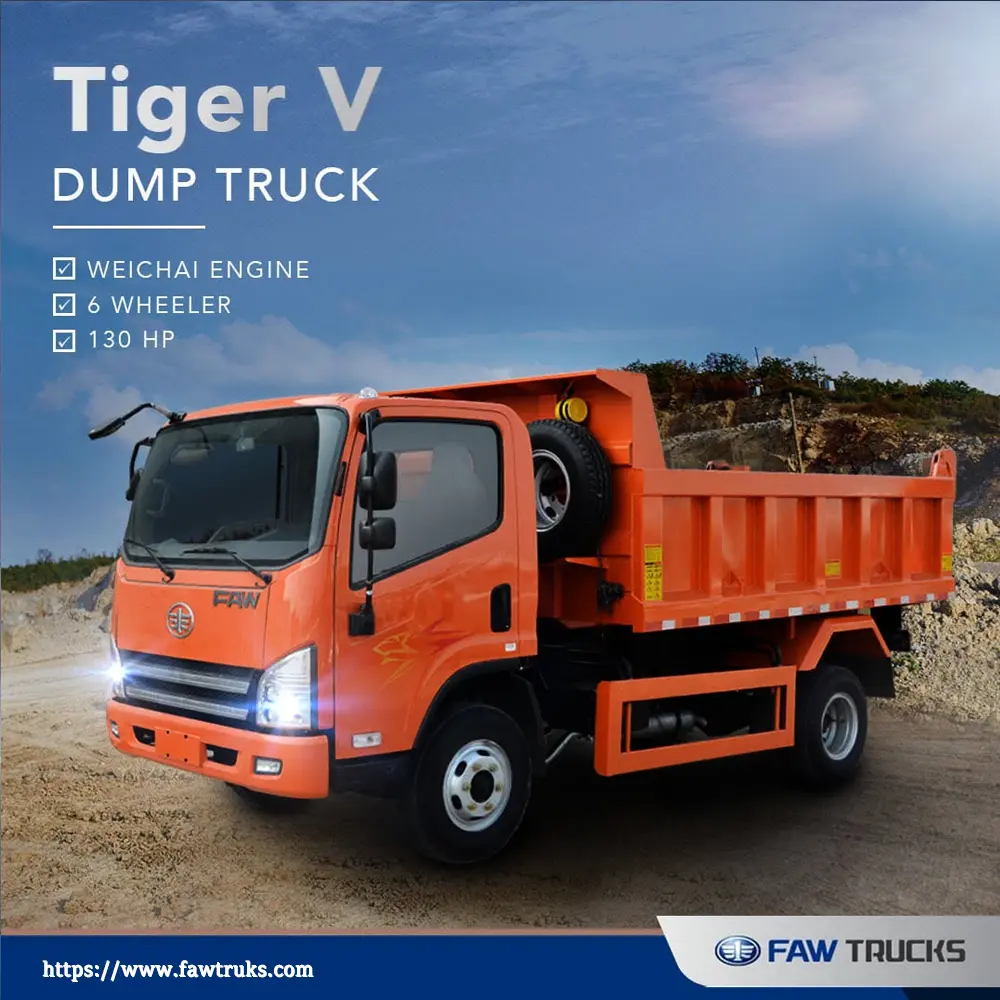
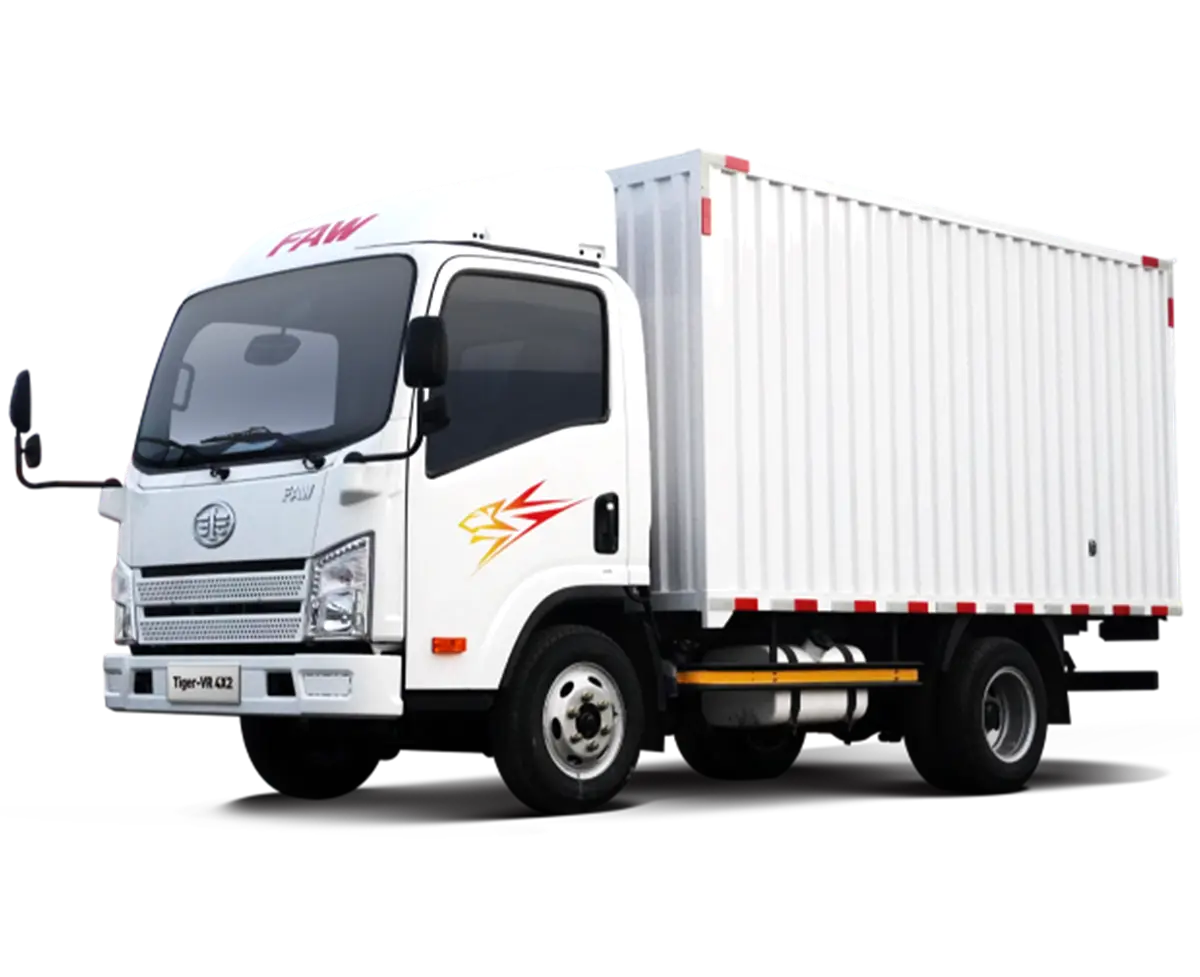
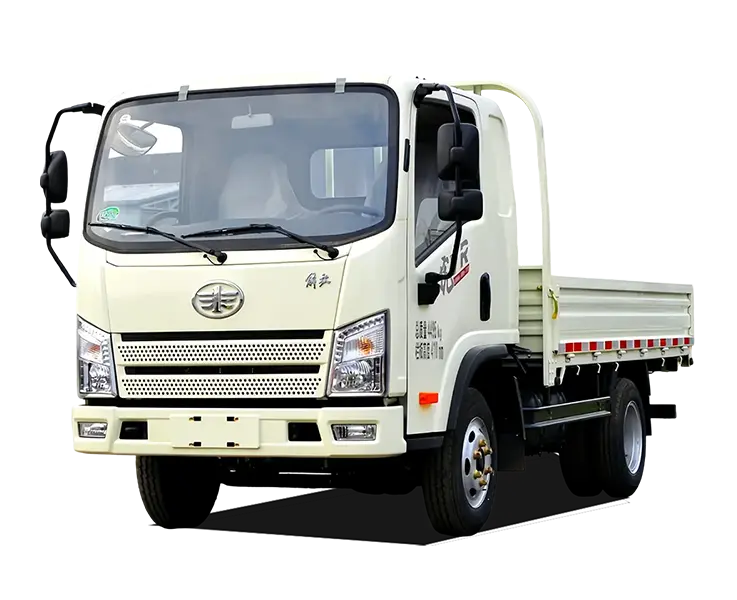
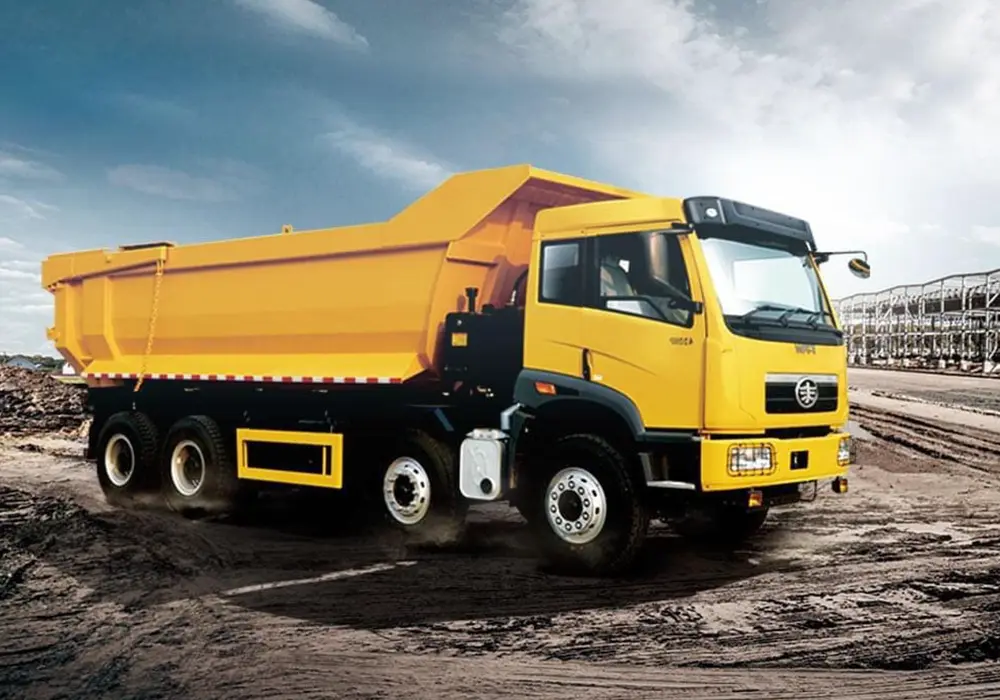
FAW Tiger V
This guide separates the main FAW mini dump truck families, compares their real specifications, and sets out the checks that determine whether a particular configuration will hold up in your operating conditions.
What “FAW mini dump truck” actually covers
FAW’s light tipper lineup for export markets is built around two 4×2 families that are frequently listed under the “mini dump truck” label:
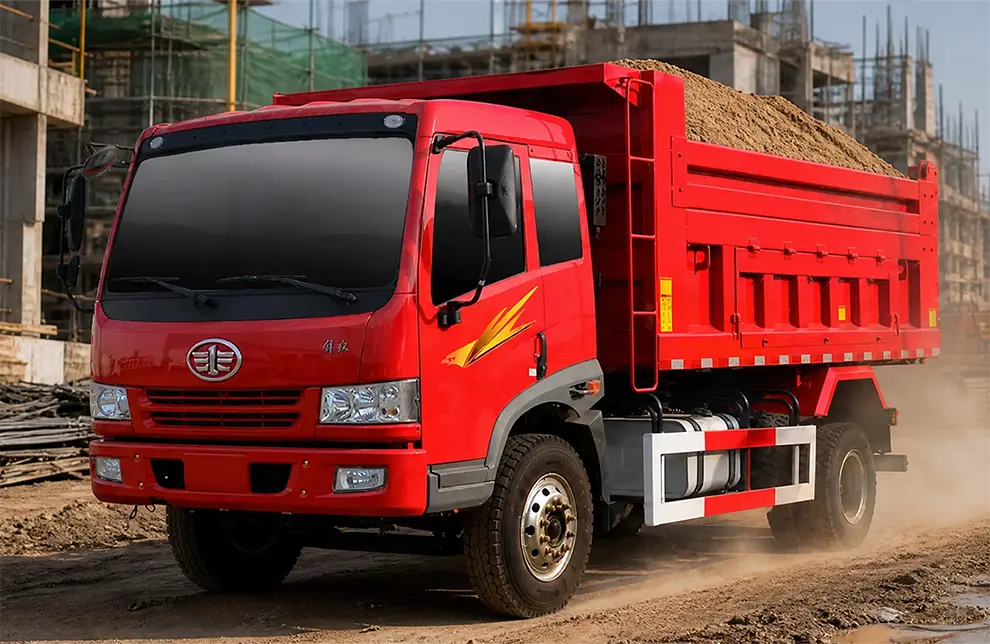
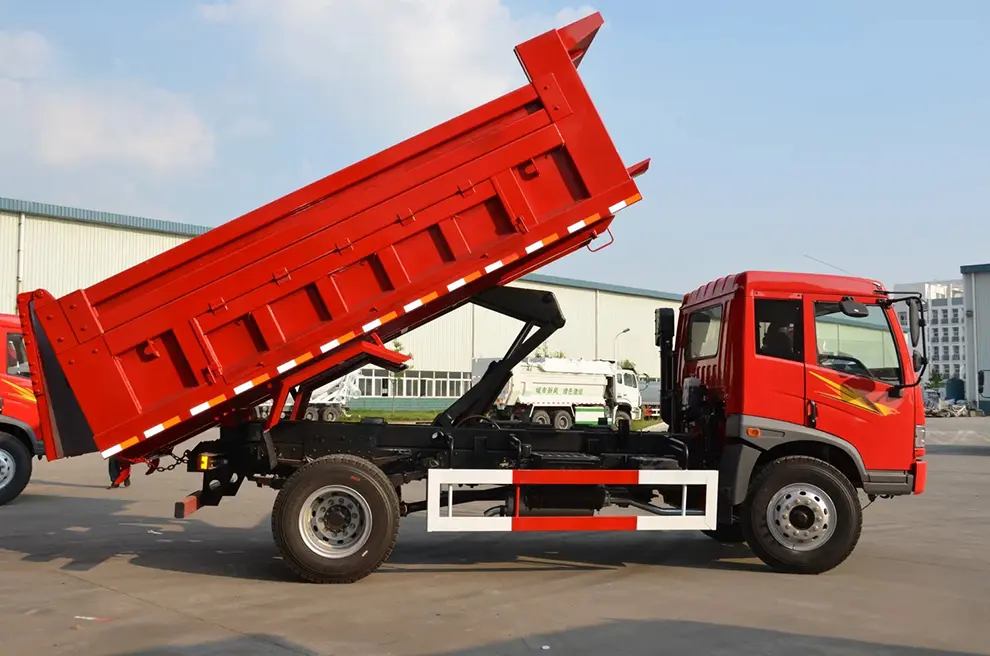
The FAW Tiger V 4×2 is the lighter, more compact entry-level platform. It is explicitly positioned by FAW’s export channels as a light-duty small dump truck “targeting Africa, Southeast Asia municipal and small construction markets,” with a compact body designed for “narrow village roads, urban alleys and small construction sites.” Typical applications are sand, gravel, construction waste, and soil.
The FAW J5K 4×2 is a step heavier. It is described as a “mature medium-heavy tipper developed by FAW Qingdao factory, specially customized for African right-hand traffic markets,” including Tanzania, South Africa, and Southern Africa. It shares the 4×2 layout but carries a more substantial chassis and higher power ceiling..
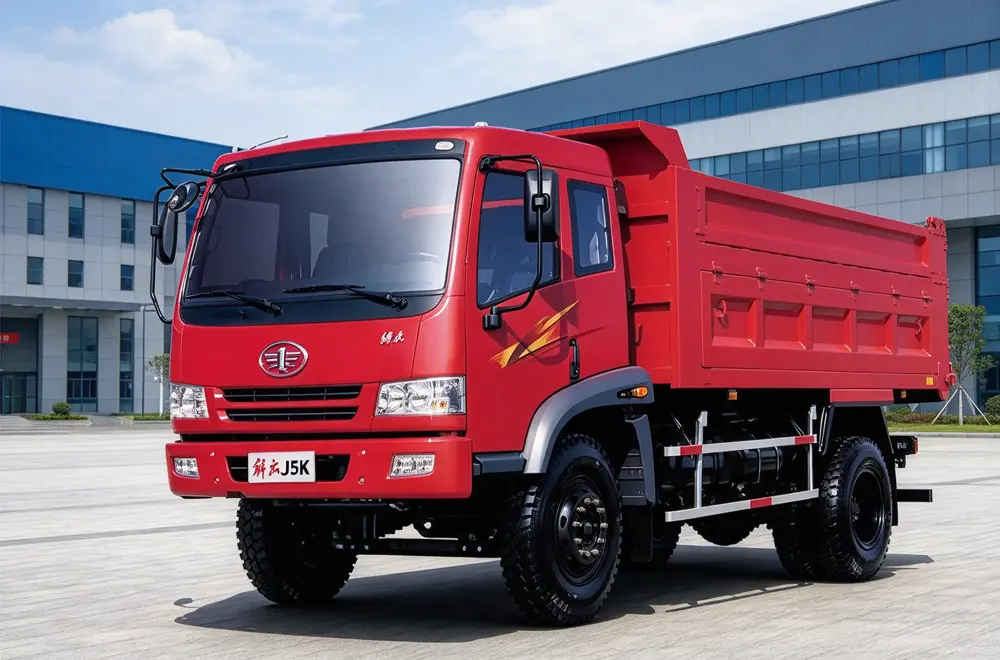
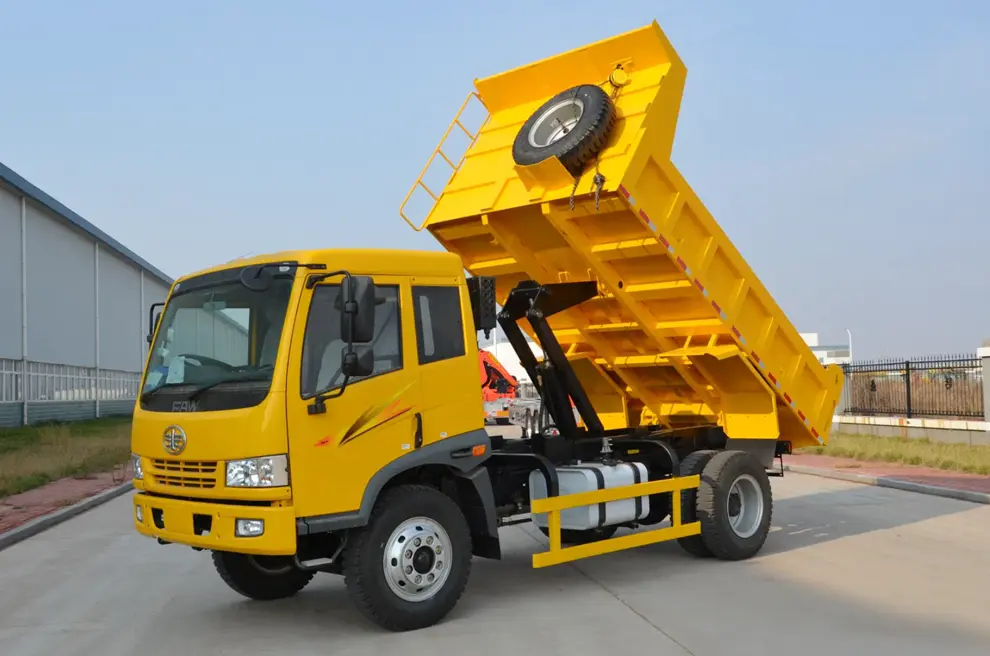
There is also a smaller municipal-grade option in FAW’s portfolio—for example, a 3.5-tonne 4×2 dump chassis with a 110 hp engine and a 2,800 mm wheelbase, aimed at light construction applications. This sits below the Tiger V and J5K in payload and is more comparable to a light commercial chassis than a construction tipper.
The practical distinction matters because payload, box size, and axle ratings differ substantially across these families. A specification that is appropriate for a 3.5-tonne municipal tipper is not adequate for a 10-tonne aggregate operation, and vice versa.
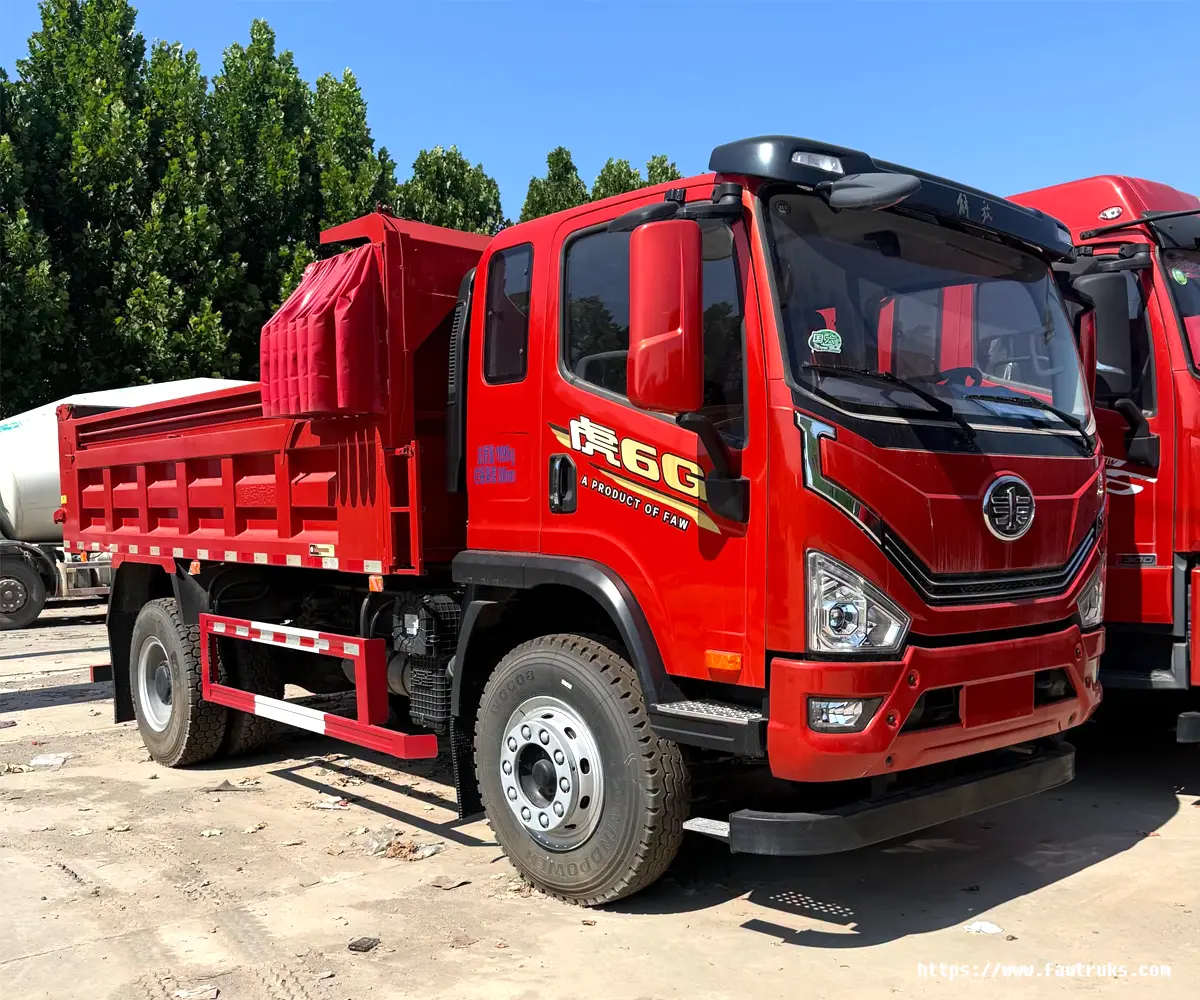
Tiger V 4×2: specifications and realistic use
The Tiger V 4×2 is the platform most often matched to the “mini dump truck” search intent. Its documented export specifications give a clear picture of where it sits.
A representative Tiger V 4×2 configuration carries a Weichai WP4.1NQ190E61 engine, 190 hp, 680 N·m of torque from 1,300 to 1,900 rpm, and a 4.088 L displacement. The rated payload is listed at 10,695 kg, with a curb weight of 7,110 kg. The cargo box measures 4.2 m long, 2.35 m wide, and 0.8 m high, and the truck is fitted with a FAST transmission and a rear axle ratio of 5.571. Overall dimensions are 6.53 m × 2.5 m × 2.7 m, with a 3,800 mm wheelbase and a cab width of 2,010 mm.–
That specification is not a “mini” truck in the absolute sense—it is a light-to-medium tipper with a genuine 10-tonne payload rating. The “mini” label reflects its 4×2 layout and compact external footprint relative to 6×4 and 8×4 construction tippers, not a sub-5-tonne payload.
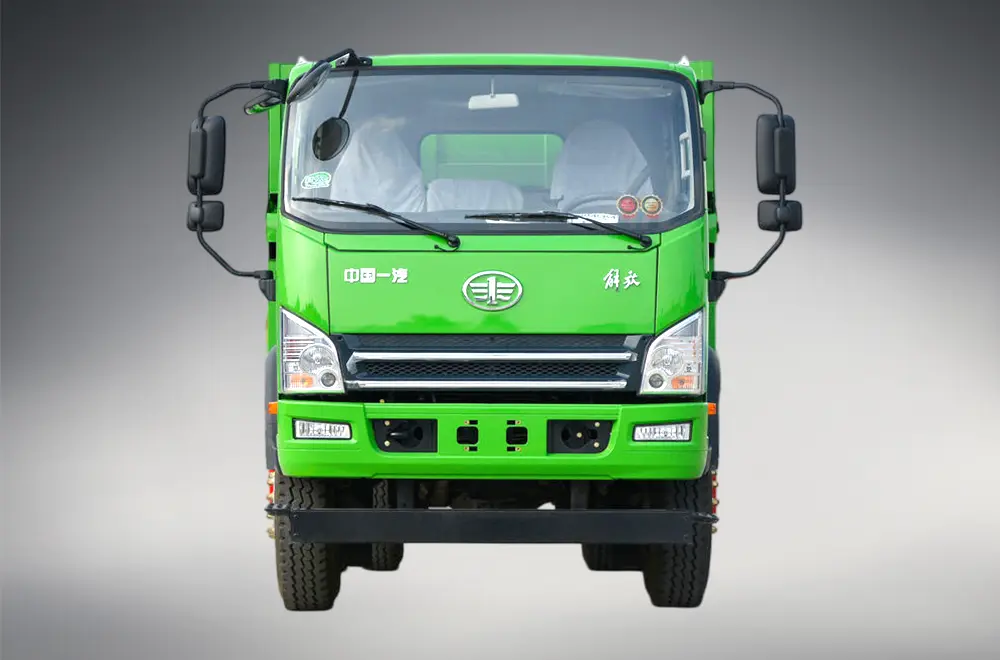
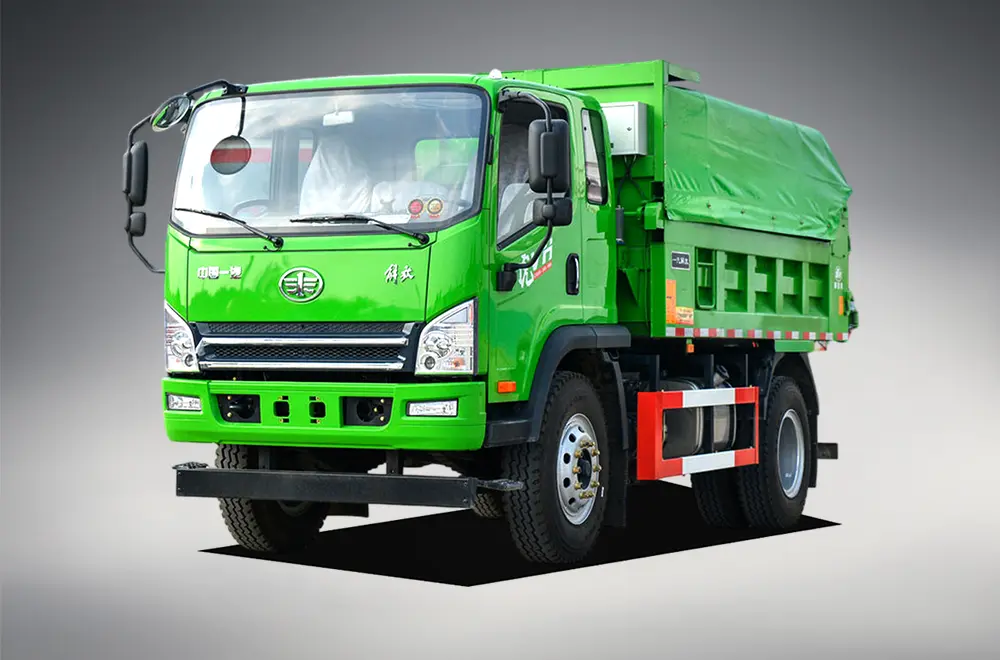
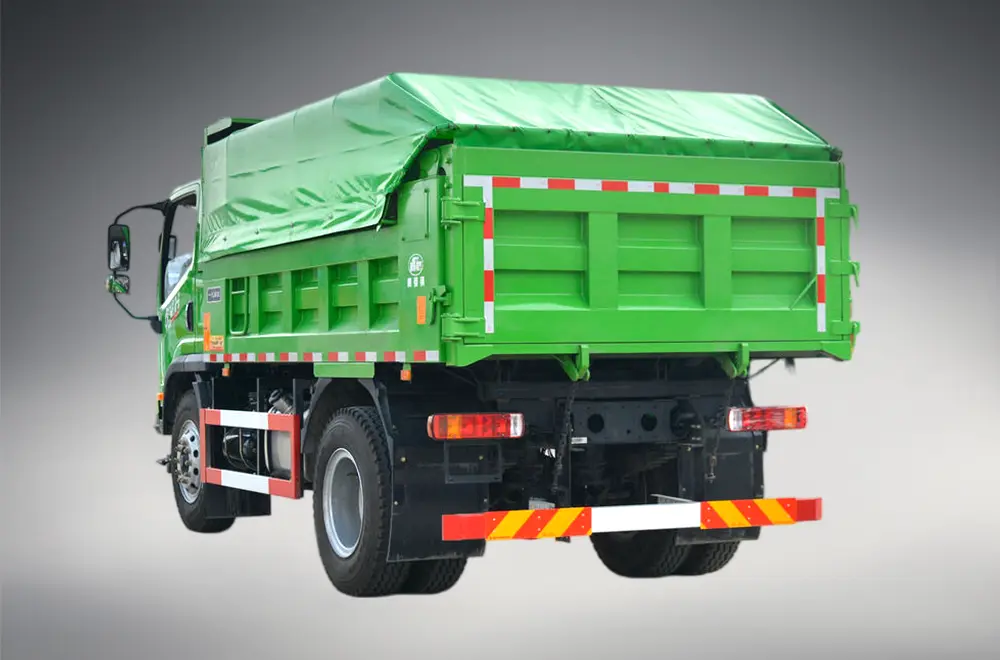
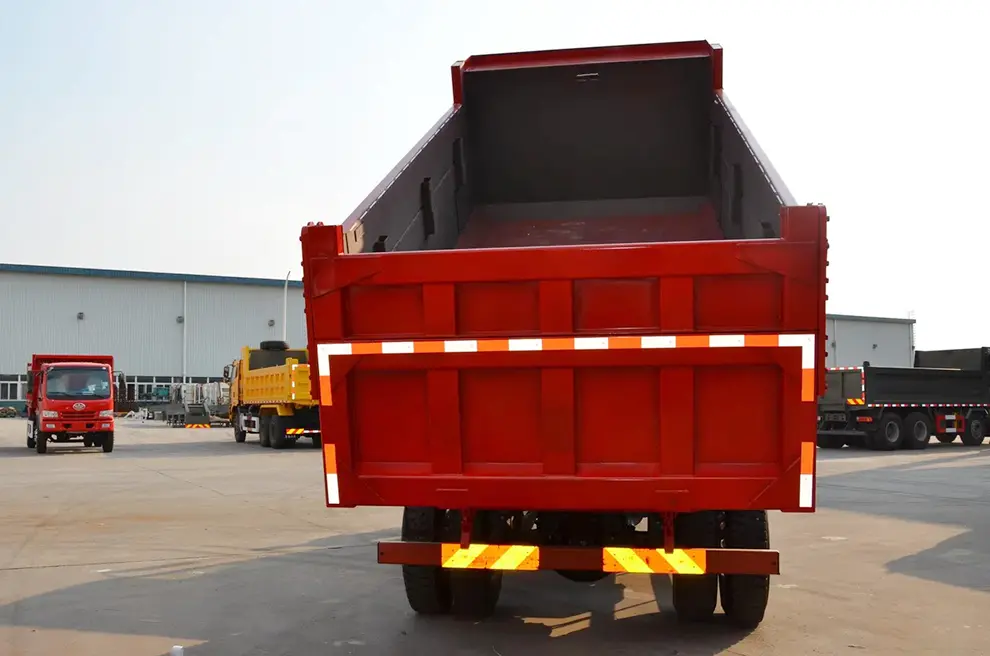
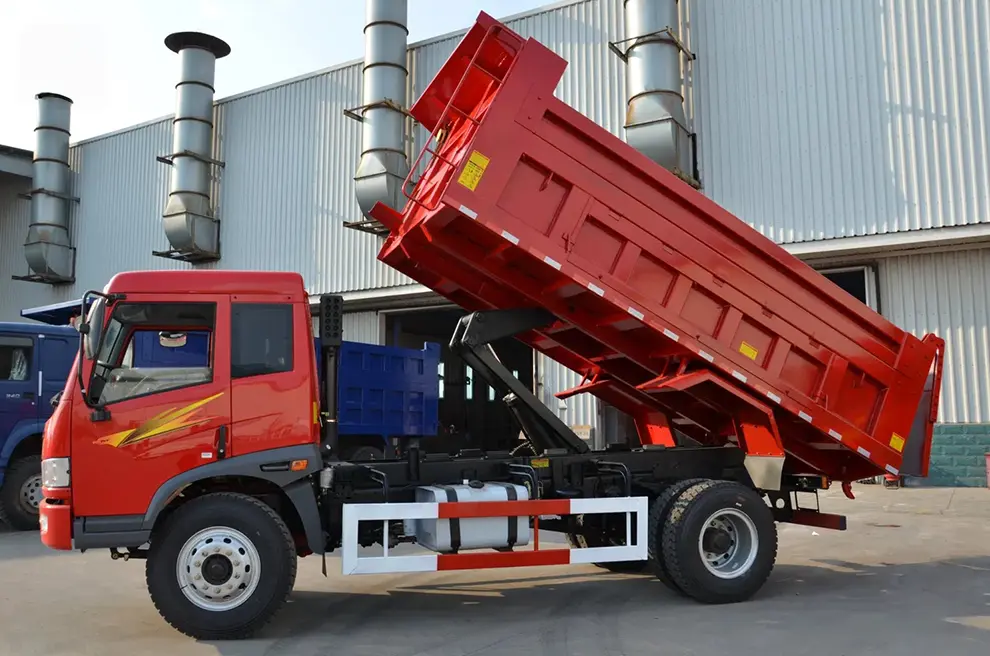
Tiger V power options across the broader export range extend from 110 hp to 190 hp, depending on engine selection (Yuchai, Weichai, or Xichai), with transmission choices including FAST and WLY units and rear axles in the 435 series. The dump box is typically rectangular, with 6 mm floor and 4 mm side plates as standard, and a reinforced version offered with an 8 mm floor for more abrasive materials.
Where the Tiger V fits: municipal maintenance, small construction sites with constrained access, sand and gravel distribution, and farm or estate hauling. Its narrower cab and shorter overall length make it easier to place in tight yards and village roads than a J5K.
Where it does not fit: sustained heavy aggregate hauling with high daily tonnage, or routes where a 10-tonne payload is routinely exceeded. The 4×2 layout and lighter chassis are not designed for that duty cycle.
J5K 4×2: the heavier end of the “mini” category
The FAW J5K 4×2 sits above the Tiger V in structural mass and power ceiling. It is produced in two documented export codes: CA3120PK2Y (Euro I, 130 PS / 128 hp, 430 N·m at 1,400 rpm, 7,120 cc) and CA3122PK2Y (Euro II, 180 PS / 177 hp, 650 N·m at 1,400 rpm, 6,557 cc). Both use an 8-speed manual transmission with PTO, a 5-tonne front axle, and a rear axle rated at 11.5 tonnes (stamping-welded) or 10 tonnes (casting), depending on the code. The frame is a 237 × 75 × (7+4) mm wide frame with 10/12+8 heavy-duty leaf springs. Box dimensions are 4,100 × 2,100 × 500 mm or 3,900 × 2,100 × 500 mm, with 6 mm floor and 4 mm side plates.
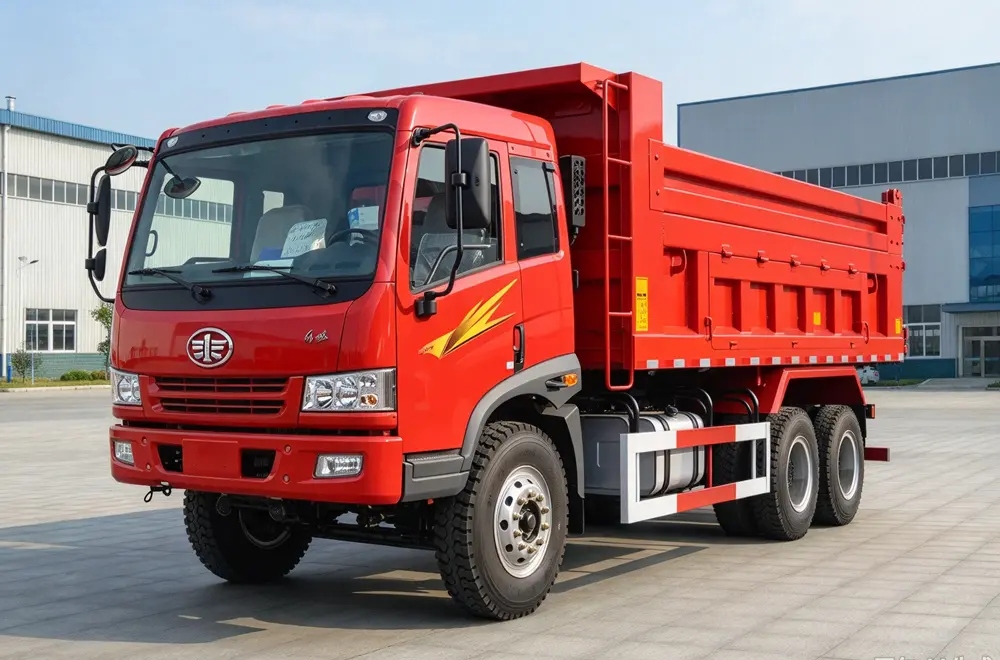
The J5K is explicitly configured for right-hand drive markets and is sold with export-specific anti-corrosion treatment and standard equipment including ABS, air conditioning, and an air-suspension driver seat on the documented RHD specification.
For buyers comparing a Tiger V and a J5K, the decision is not about which is “better.” It is about whether the duty cycle justifies the heavier chassis and larger driveline. A J5K with the 180 hp / 650 N·m engine and an 11.5-tonne rear axle will tolerate more sustained load and rougher access roads than a lighter Tiger V, but it also carries more mass and a higher purchase cost. If your operation consistently runs at or near the upper end of a Tiger V’s payload rating, the J5K is the more honest specification.
The specifications that actually determine fit
Payload rating is not the same as legal payload
A published “rated payload” figure is a structural rating, not a guarantee that the truck can legally carry that weight on every road. Axle load limits, gross vehicle weight regulations, and bridge restrictions vary by country. Before finalizing a configuration, confirm the gross vehicle weight rating (GVWR) and the front and rear axle load limits against the regulations in your operating jurisdiction. A truck that is structurally capable of a load may still be non-compliant if the axle distribution exceeds local limits.
Right-hand drive vs left-hand drive is a procurement issue, not an afterthought
FAW’s African-market light tippers are commonly offered in right-hand drive configurations, reflecting the traffic rules in markets such as Tanzania, South Africa, and Kenya. If your market is left-hand drive, confirm the steering configuration before ordering—retrofitting a steering system is not a practical option.
Emission standard and fuel quality must be matched
Documented J5K export configurations are Euro I and Euro II, while some Tiger V listings show Euro VI for certain markets. A Euro VI engine operating on high-sulphur fuel can suffer injector and aftertreatment problems. For markets where Euro II and Euro III fuel is the norm, a lower-emission-standard engine is often the more durable choice, not a compromise.
Box thickness and hydraulic setup reflect the material
Standard Tiger V boxes use 6 mm floor / 4 mm side plates, with an 8 mm floor available in reinforced form. If you are hauling abrasive material such as crushed stone or slag, the standard floor is a wear item. Specify the reinforced floor at the ordering stage rather than planning to replace it later.
What to verify before you commit to a FAW mini dump truck
1. Confirm the exact family and code, not just the badge. “FAW mini dump truck” can refer to a Tiger V, a J5K, or a lighter municipal chassis. Ask for the product code (for example, CA3120PK2Y or CA3122PK2Y) and the full specification sheet, not a generic brochure.
2. Match the rear axle rating and final drive ratio to your route. The J5K’s 11.5-tonne rear axle and the Tiger V’s 435-series axle with a 5.571 ratio are different tools. A lower numerical ratio favors road speed; a higher ratio favors gradeability under load. Confirm the ratio against the terrain and load profile you will actually run.
3. Verify the emission standard against your fuel supply. Do not assume that the newest standard is the most suitable. In markets with variable diesel quality, a mechanically controlled or lower-emission-standard engine may deliver lower total cost of ownership than a high-standard engine that is sensitive to fuel sulphur.
4. Ask for the export specification in writing. Anti-corrosion treatment, tire brand and specification, ABS, and cab equipment vary between domestic and export builds. The specification that arrives at the port should match the specification you approved.
5. Confirm parts availability for the specific engine and gearbox. Tiger V and J5K configurations use different engine families (Weichai, Yuchai, Xichai) and different transmission models. Consumables and wear parts are not universally interchangeable across these variants. Confirm that filters, brake components, and clutch parts for the exact engine and gearbox code are available through your local supply chain.
FAQ
Is a FAW mini dump truck suitable for construction site work?
Yes, within its payload class. The Tiger V and J5K 4×2 are designed for construction, municipal, and small-scale aggregate transport. They are not substitutes for a 6×4 or 8×4 tipper on high-tonnage mining or long-haul aggregate operations.
What is the difference between a FAW Tiger V and a FAW J5K?
The Tiger V is the lighter 4×2 platform, with documented payload ratings around 10.7 tonnes and power from 110 to 190 hp. The J5K is a heavier 4×2 with a larger frame, heavier rear axle ratings, and a power range of 130 to 180 hp. The J5K tolerates more sustained load and rougher access conditions; the Tiger V is more compact and maneuverable.
Can I get a FAW mini dump truck in right-hand drive?
Yes. The J5K 4×2 is explicitly produced in right-hand drive for African markets, and Tiger V listings indicate both LHD and RHD availability. Confirm the steering configuration on the specific order.
What should I check first before buying?
Confirm the product code and full specification sheet, verify the GVWR and axle limits against local regulations, match the emission standard to your fuel quality, and confirm parts availability for the exact engine and gearbox variant.
Bottom line
The FAW mini dump truck category is broader than the name suggests. The Tiger V and J5K are both 4×2 tippers, but they serve different payload and durability envelopes. The right choice depends on whether your operation needs a compact, maneuverable light tipper or a heavier 4×2 that can sustain higher loads on rougher access roads. Specify by product code, verify the axle and emission configuration against your actual operating conditions, and confirm parts support for the exact driveline before you order. That is the difference between a truck that earns its purchase price and one that sits waiting for a component that was never in the local supply chain.
📧 Email:[email protected]
📱 WhatsApp: +86-1886219929
🌐 Website: https://www.fawtruks.com
Faw Trucks | China Faw Jiefang Group