What are the main differences between FAW J6P, JH6, and the J7 flagship model?
08.05.2026View: 41
In the world of commercial vehicles, FAW Jiefang has consistently been a leader in the heavy-duty truck sector. For many long-haul logistics companies and individual owners, the ultimate dilemma when choosing a vehicle often lies in selecting between the FAW Jiefang J6P,FAW JiefangJH6, and the flagship FAW Jiefang J7. Although these three models share a common origin, their market positioning, technology platforms, and driving experiences differ significantly. This article will provide an in-depth analysis of the core differences between these three star models, helping you choose the most profitable “money-making machine” based on your actual transportation needs.
I. Market Positioning: Mainstream Models vs. Mid-to-High-End Models vs. Flagship Models
The most fundamental difference between these three models lies in their strategic positioning within FAW Jiefang’s heavy-duty truck product line:
– FAW Jiefang J6P: As the classic heavy-duty mainstream model of the Jiefang J series, and also the best-selling model in the series. As the sixth-generation core product, its core advantages are durability, high cost-effectiveness, and multi-scenario adaptability. It is mainly aimed at budget-sensitive users and is suitable for long-distance logistics, heavy-duty transportation, and general engineering operations. It is the lowest priced of the three models, with a huge market share and convenient parts availability.
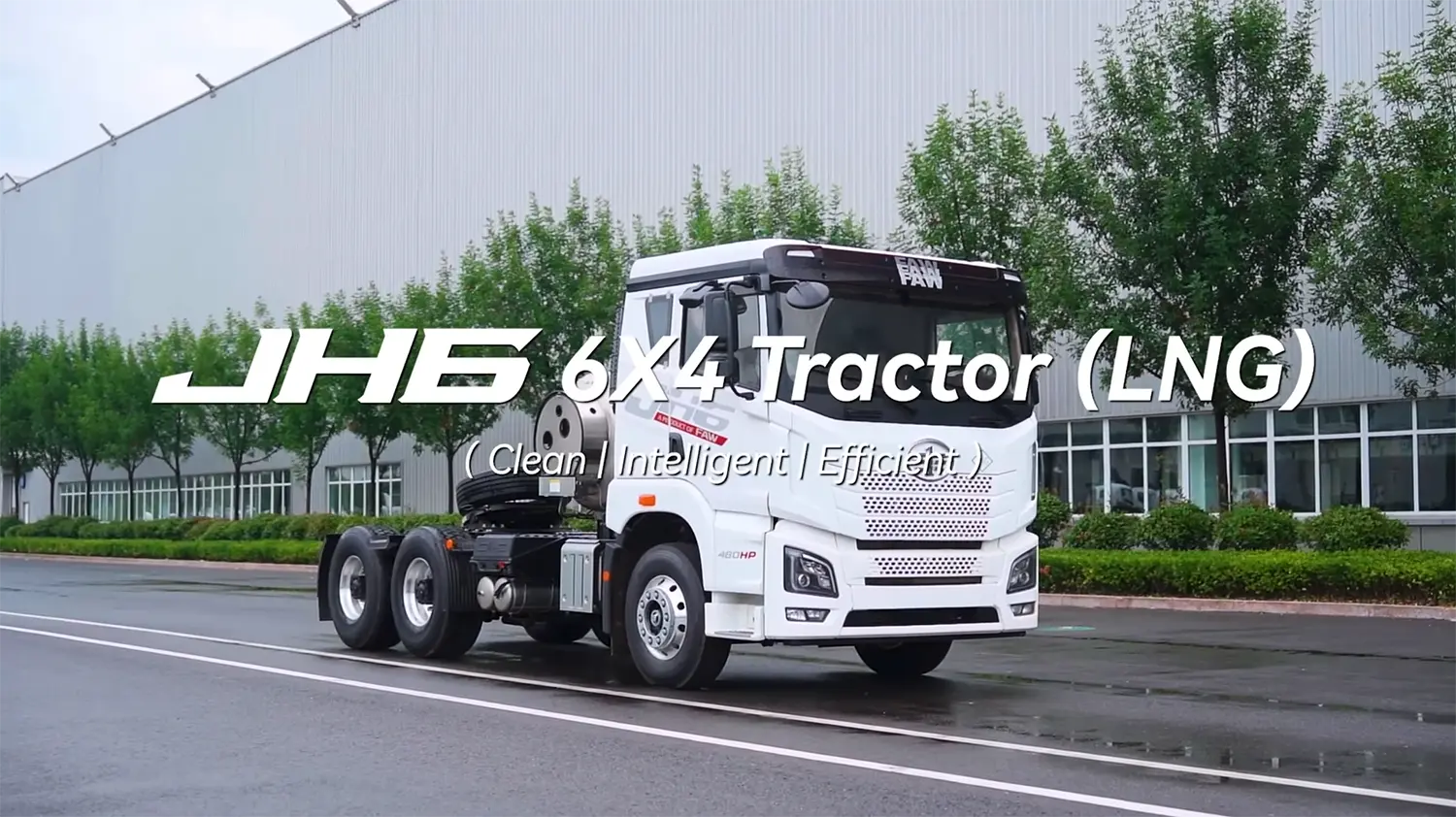
– FAW Jiefang JH6: Positioned as a mid-to-high-end medium-to-heavy-duty model, between the J6P and J7. It integrates lightweight design, fuel economy, and upgraded comfort, drawing on the design concepts of the European MAN TGX platform. It is mainly aimed at users seeking efficient long-haul logistics, cold chain transportation, and express delivery. Priced higher than the J6P but lower than the J7, it achieves a balance between performance and cost-effectiveness.
– FAW Jiefang J7 Flagship Edition: As FAW Jiefang’s top-of-the-line flagship heavy-duty truck, it is also a milestone in FAW’s R&D capabilities. Officially launched in 2018, it integrates cutting-edge intelligent technology, ultimate comfort, and global-level reliability, primarily targeting the high-end long-haul logistics, cross-border transportation, and high-end cold chain services sectors. It is the most expensive of the three models, has passed EU WVTA certification, and is adaptable to the international market.
II. Exterior Design: Classic Rugged vs. European Grandeur vs. Modern Aerodynamics
The exterior styling fully reflects their respective positioning, with significant differences in cab height, grille, lighting, and overall silhouette:
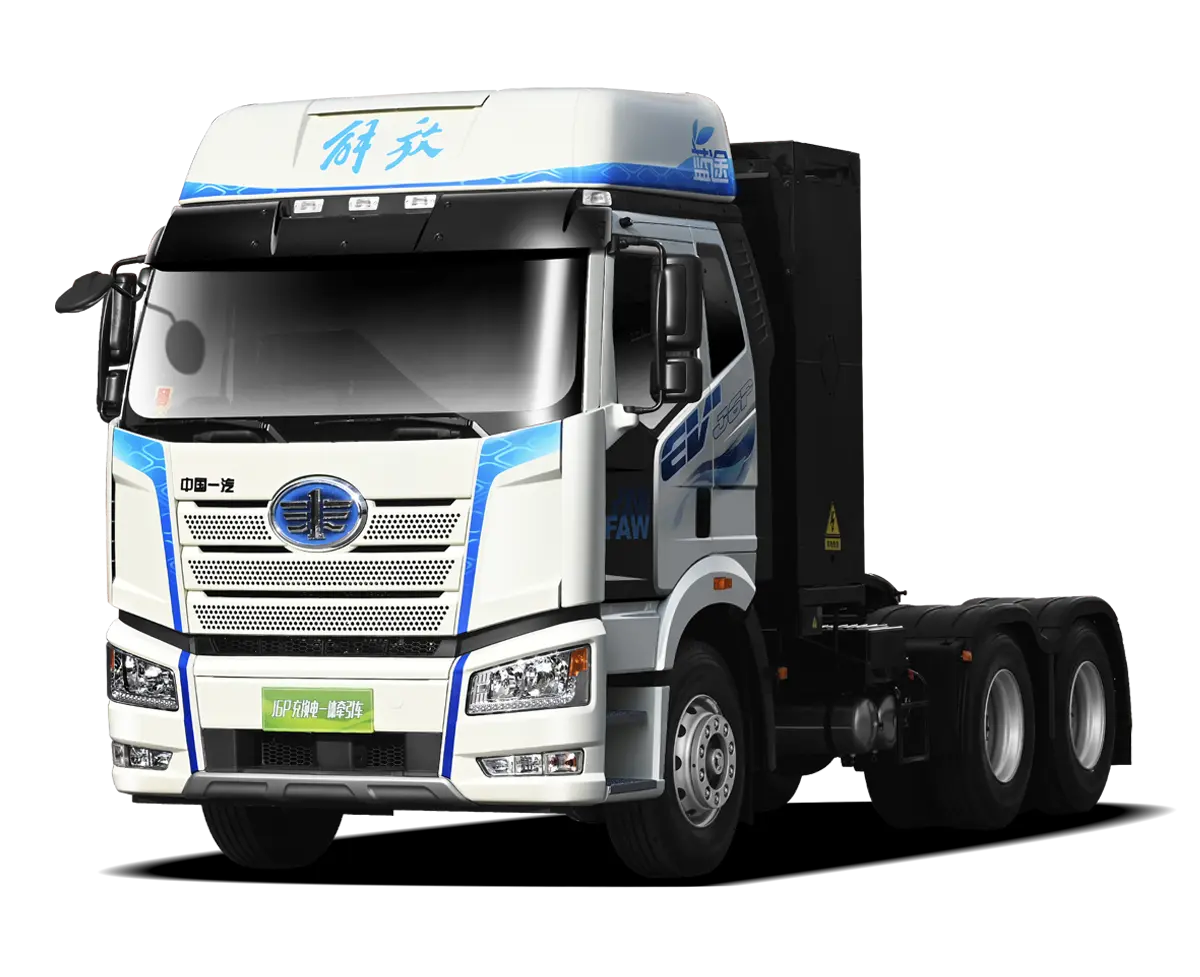
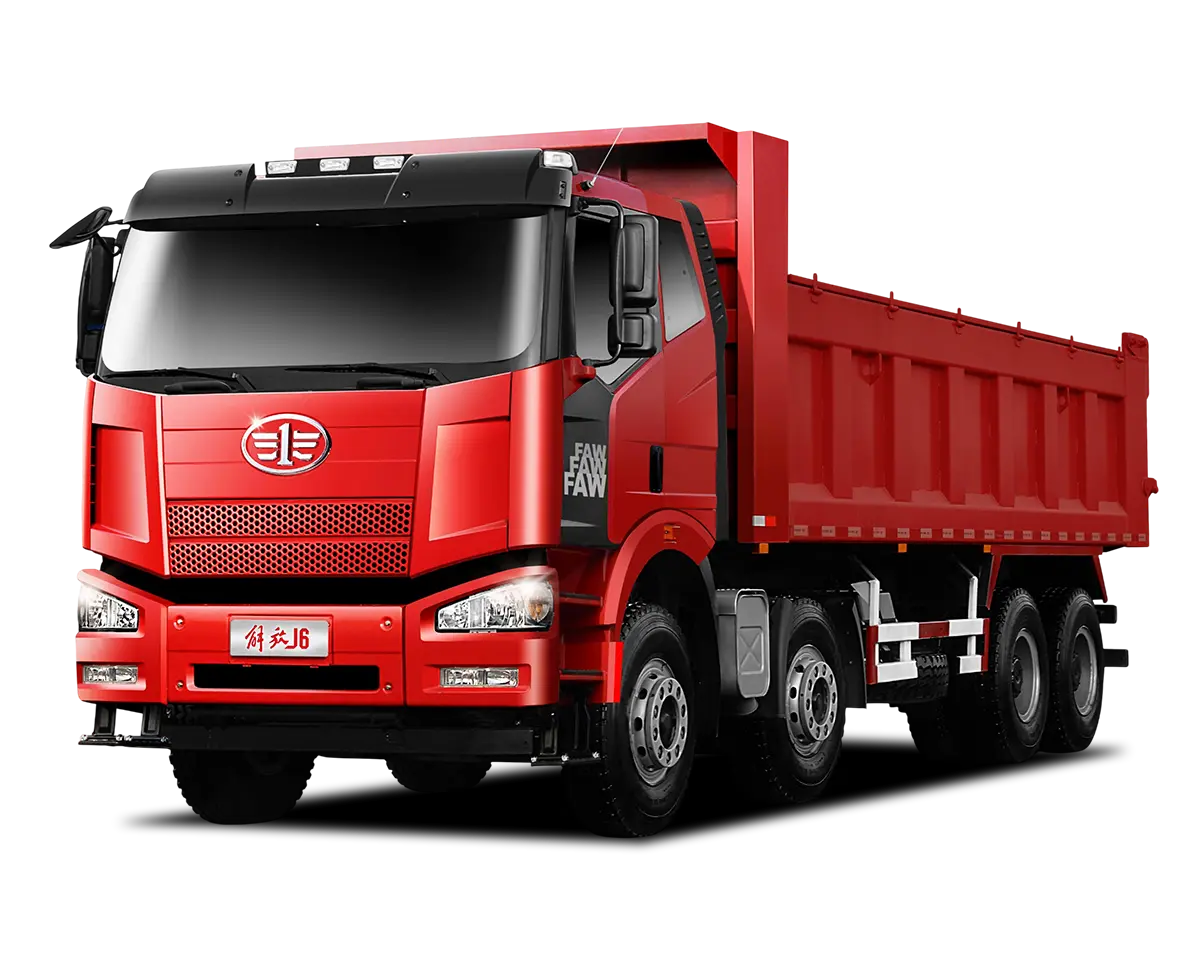
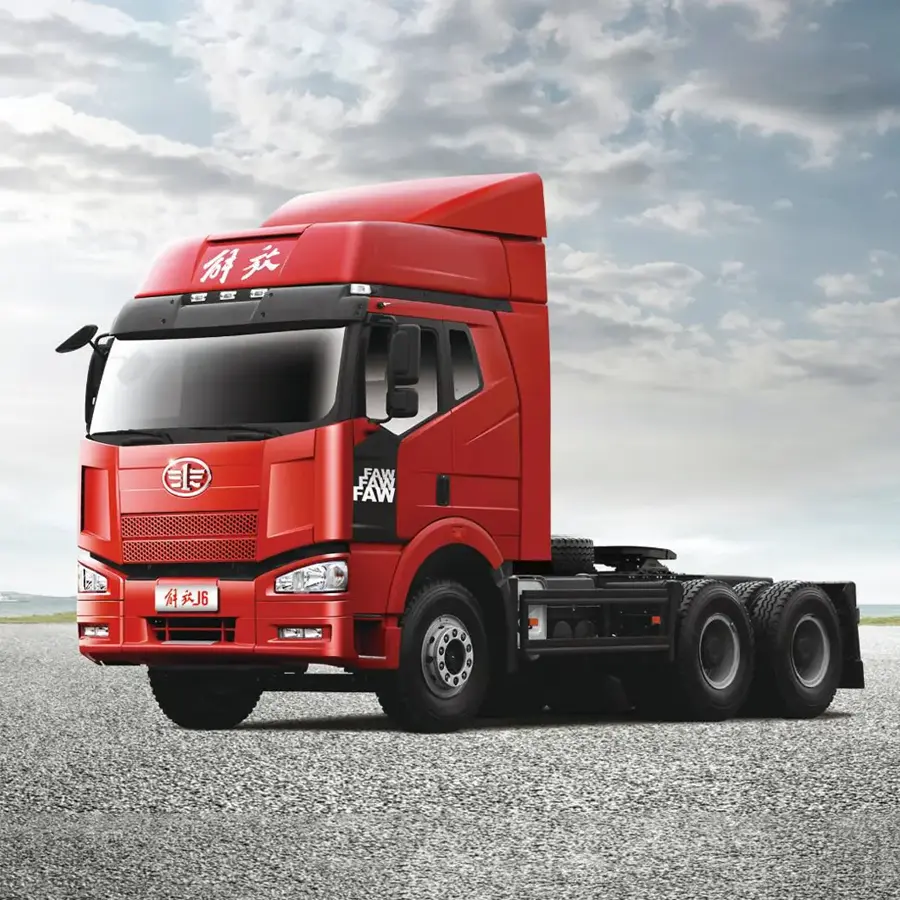
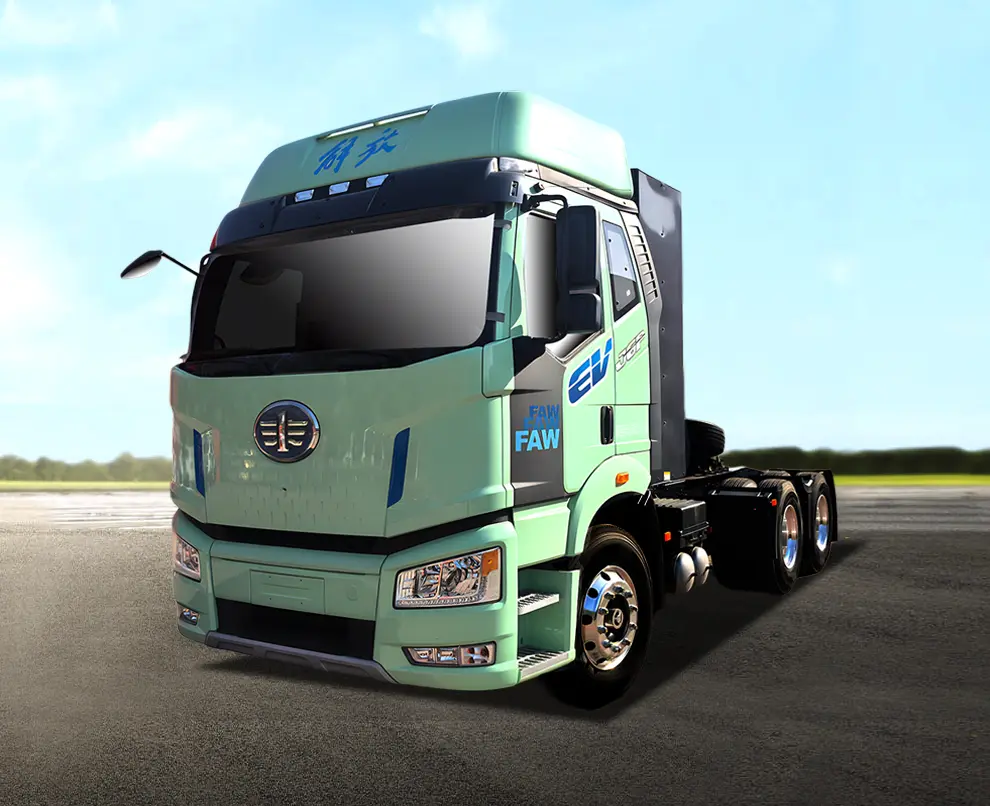
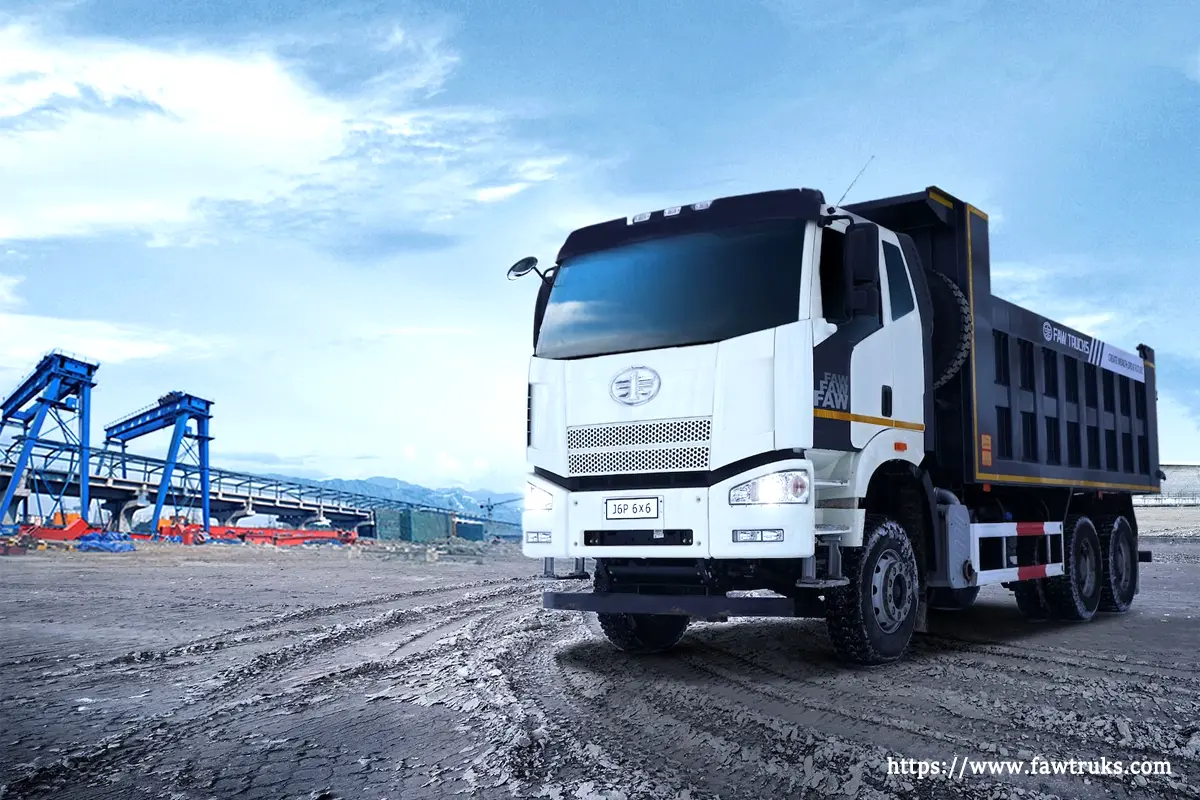
– J6P: Adopts a classic, rugged, and square design with a low-roof cab layout. Key features include: three speedometer indicators in the center of the grille; exposed front lower protective beam and bumper; the roof bears the traditional “FAW” logo or the Chinese characters for “Jiefang” (the latest model has been updated to Chinese characters); the overall silhouette is square, prioritizing practicality over aerodynamics.
Faw-J6p-truck
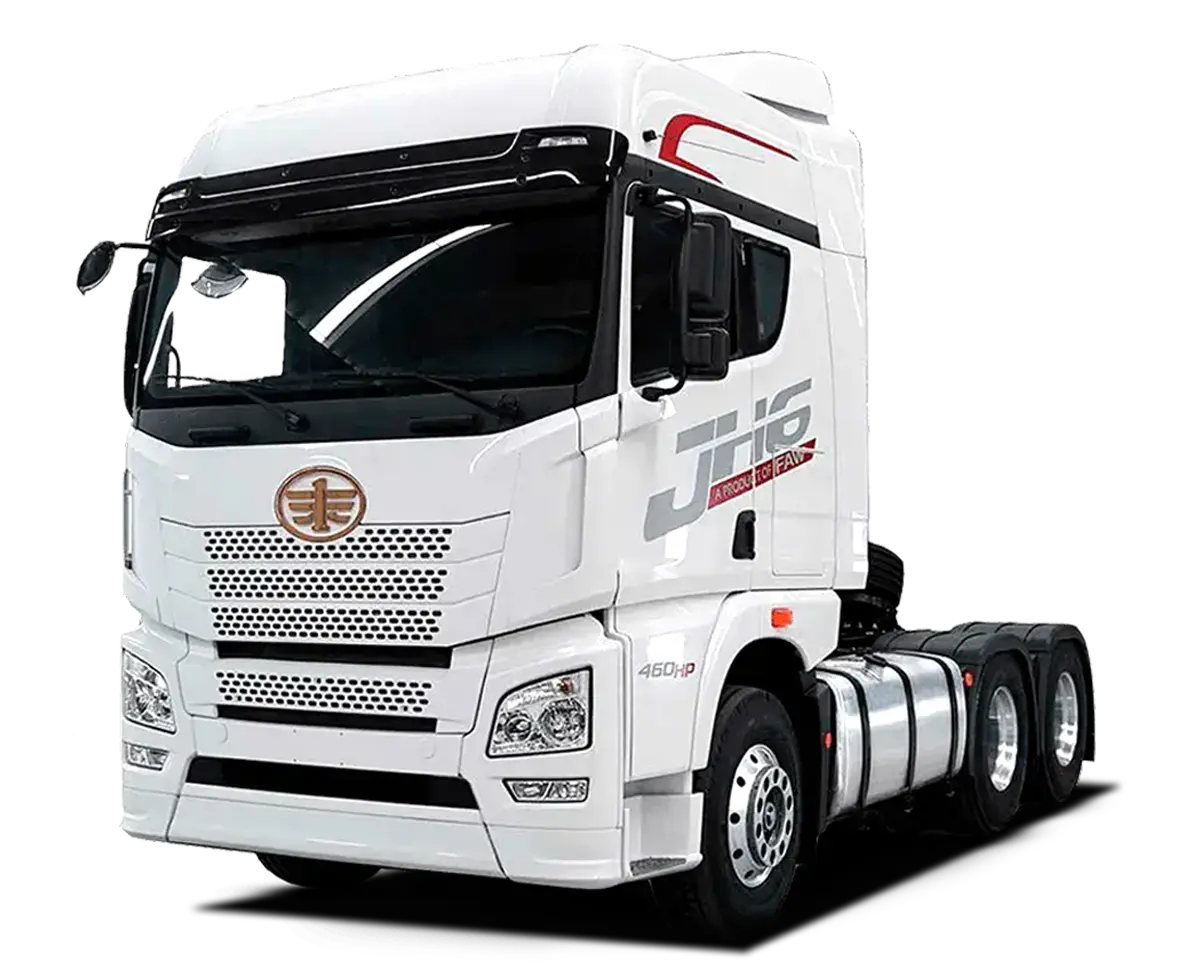
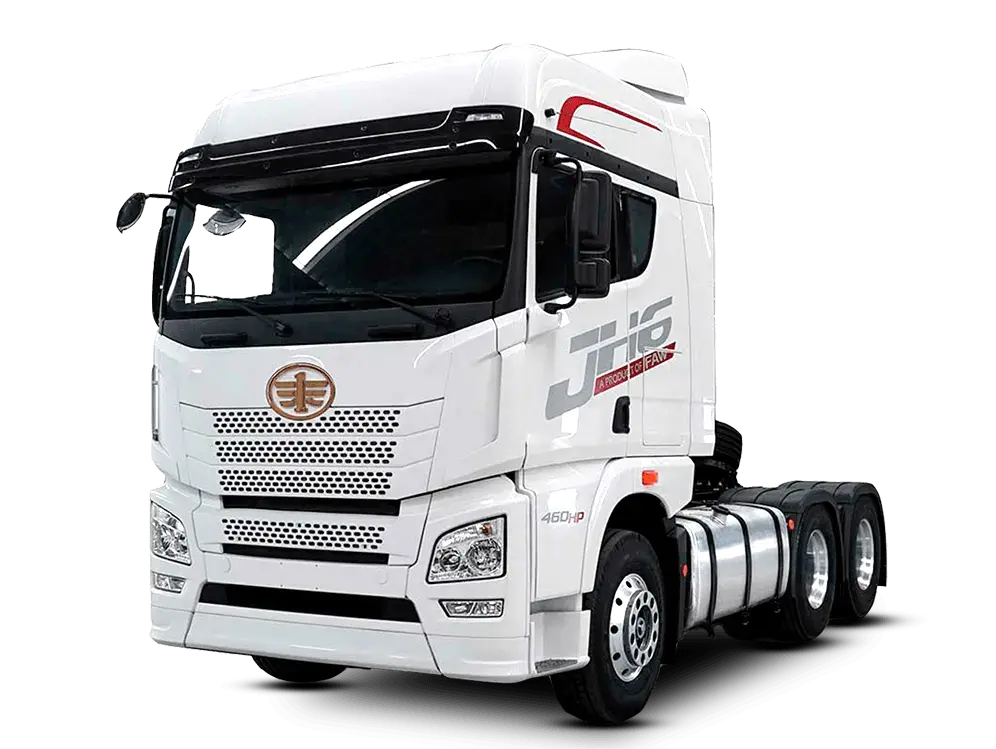
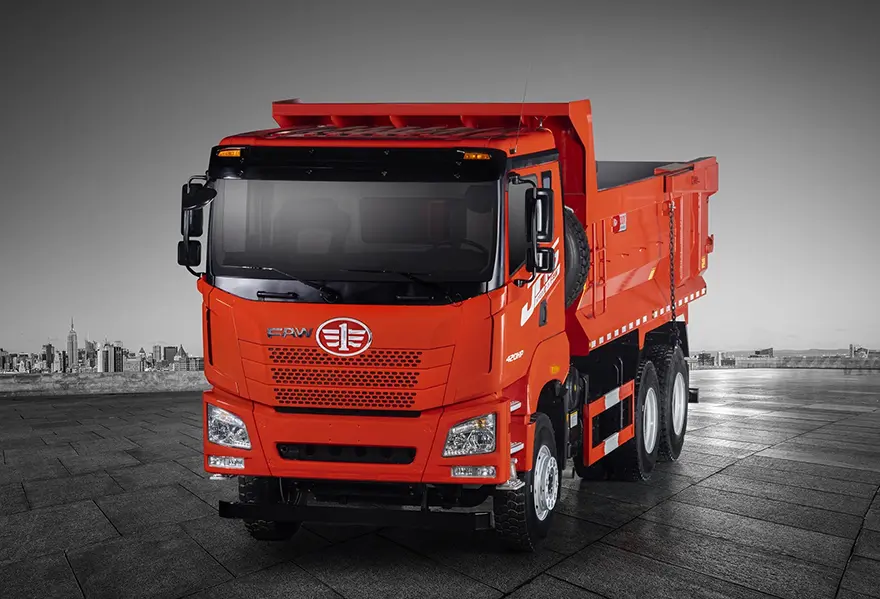
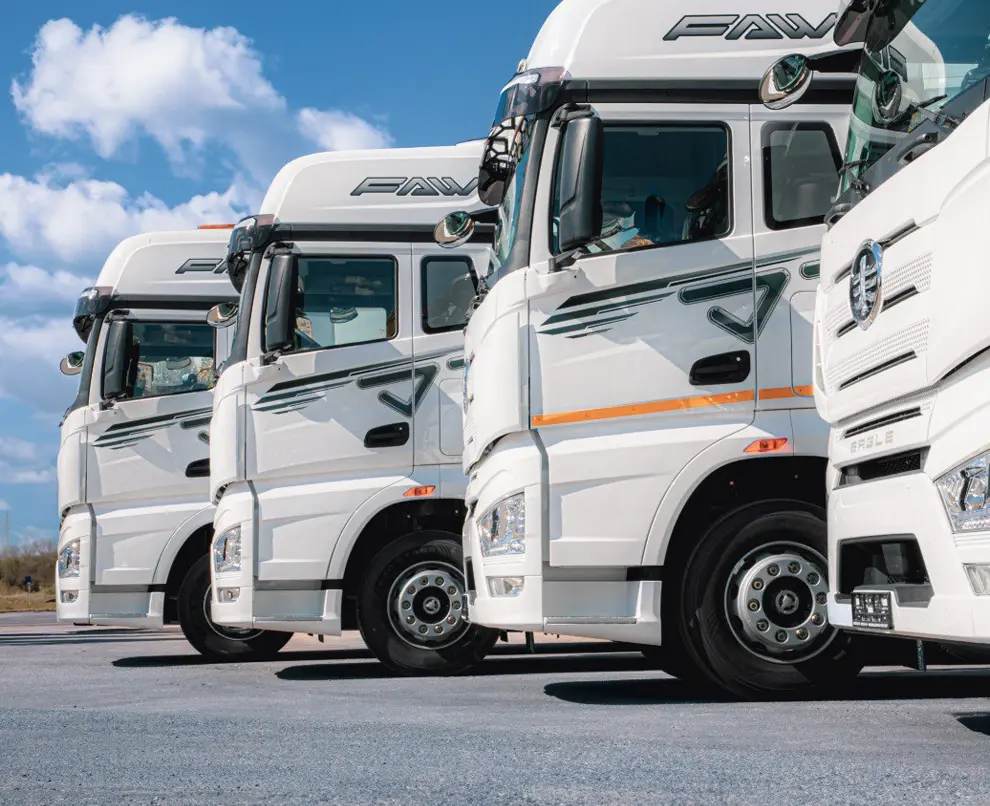
– JH6: Adopts a more impactful European design style, with a raised cab for a more imhttps://www.fawtruks.com/models/faw-jh6/posing visual presence. Key features include: a grille without a central speed indicator, sharply styled LED headlights with integrated daytime running lights; a hidden bumper design (lower mounting position) for a smoother overall profile; a higher roof and a larger windshield for a wider field of vision; and smoother body lines to effectively reduce wind resistance and improve fuel economy.
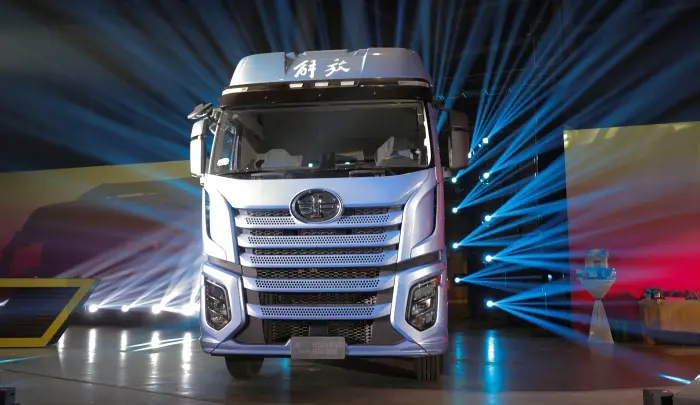
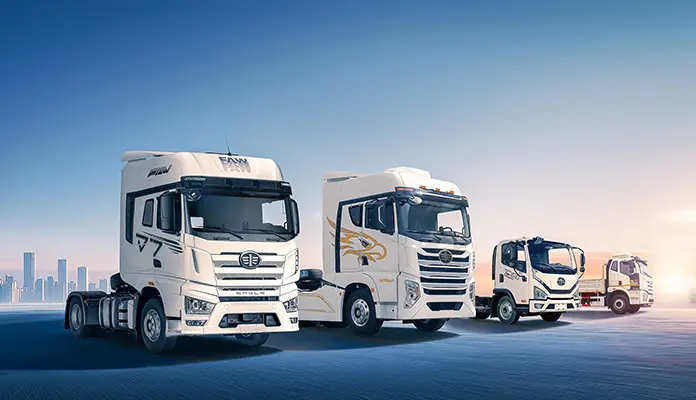
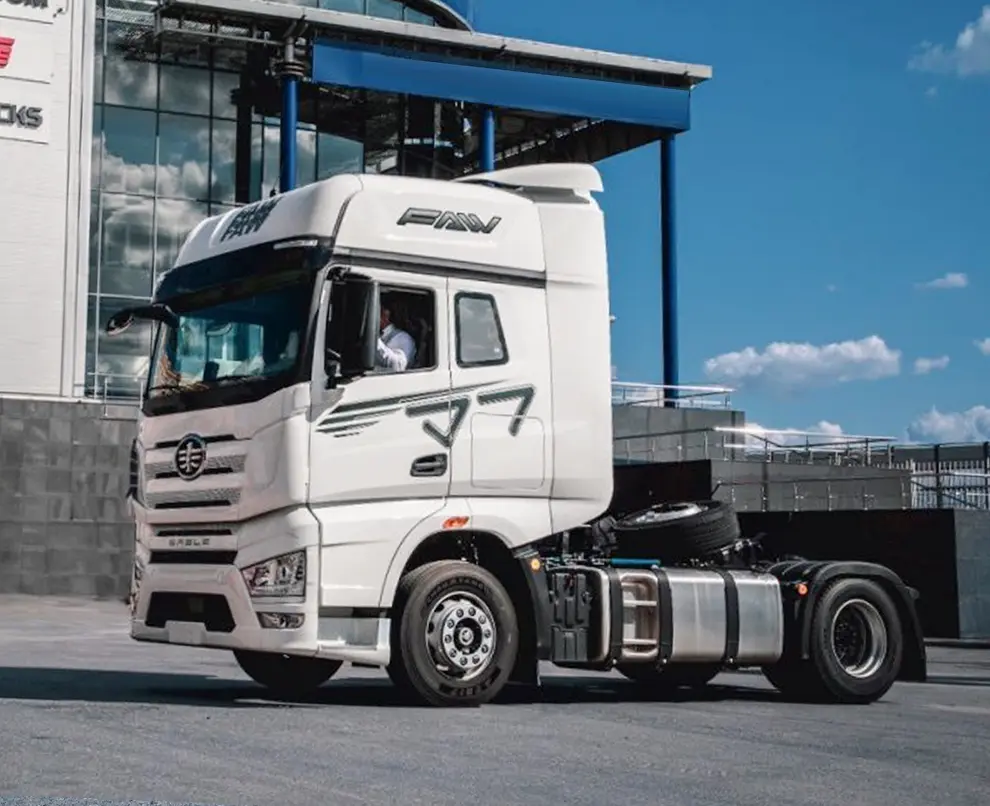
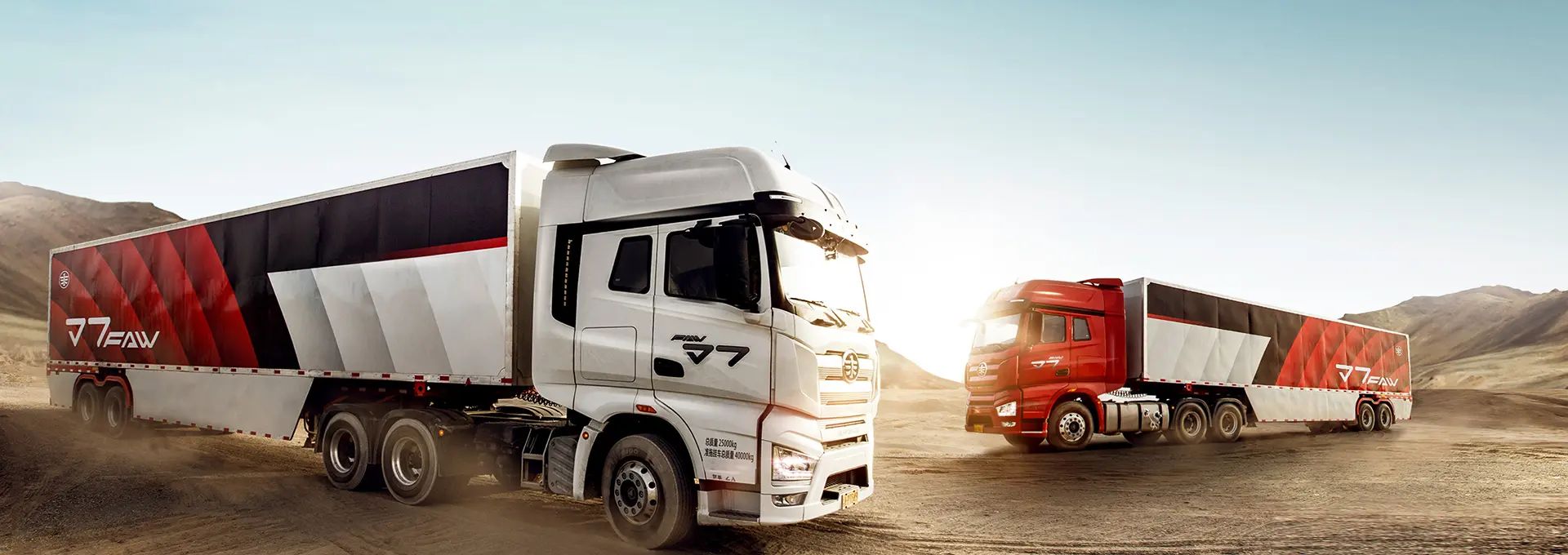
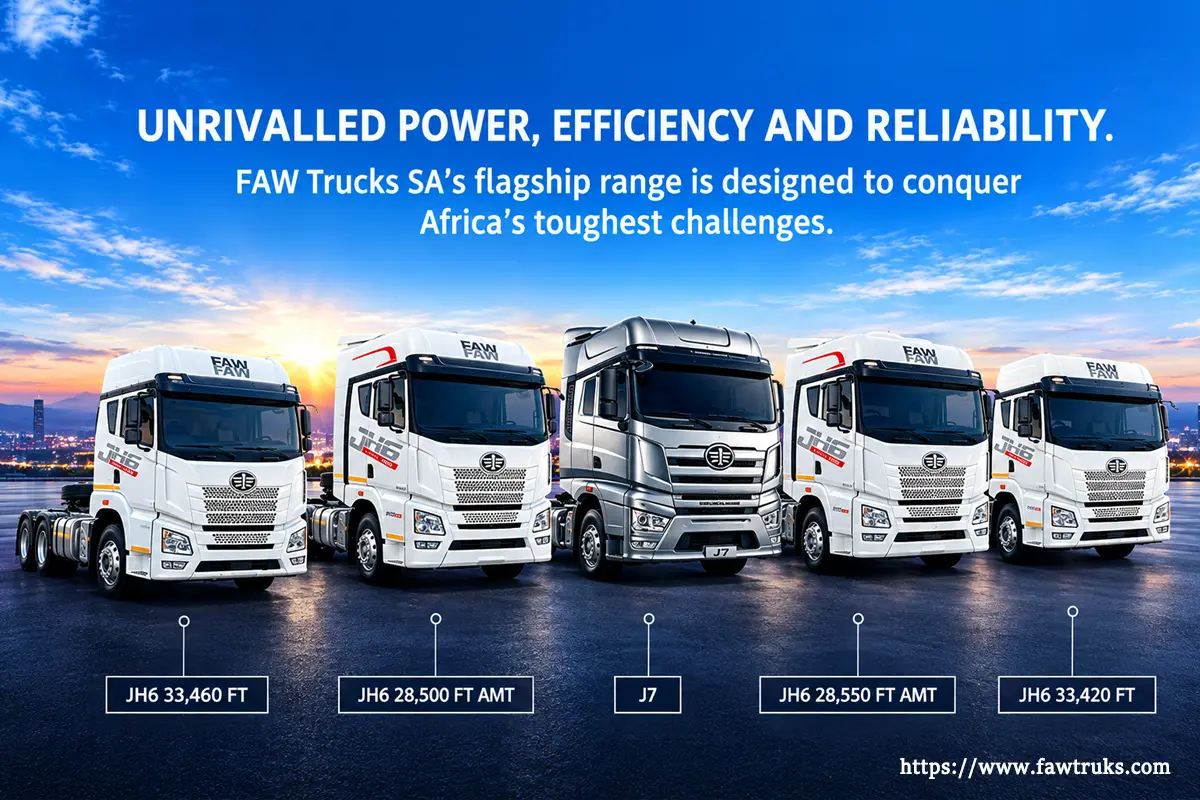
– J7 Flagship Edition: Features a modern, aerodynamic, high-end design. The cab has been streamlined to meet high-speed driving requirements. Key features include: a simple yet imposing front grille with a large illuminated FAW logo; slim LED matrix headlights with integrated fog lights; extremely smooth cab lines; a sloping hood with a roof deflector to significantly reduce the drag coefficient; and an exclusive deep blue body color for high recognizability.
III. Interior and Comfort: Practicality vs. Spacious Comfort vs. Luxurious “Mobile Home” The differences in cab comfort are significant, ranging from basic practicality to a luxurious living experience, perfectly catering to the daily driving needs of target users:
– J6P: Focusing on practicality and durability, it adopts a traditional cab layout. Key features include: a non-flat floor design with a central hump (limiting lateral movement within the cab); basic fabric seats with manual adjustment only, with heating options available on higher-end models; a standard-sized sleeper berth (narrower than JH6 and J7); minimal technological features: basic instrument panel, manual air conditioning, and limited storage space.
– JH6: A comprehensive upgrade in comfort, featuring a near-flat floor cab for greater convenience for long-distance drivers. Key features include: a near-flat floor design (significantly reduced central hump) facilitating seat movement; upgraded fabric/faux leather seats with improved lumbar support, and optional ventilation; a larger sleeper berth with a thicker mattress, with some models equipped with a mini-fridge and a folding table; a modern instrument panel with a color display, automatic air conditioning, and significantly increased storage space.
– J7 Flagship Edition: Elevates comfort to the level of a luxurious “mobile home,” featuring a completely flat floor design and industry-leading comfort features. Core features include: a completely flat floor (no central hump), a 2-meter interior height for free movement; Grammer air-suspension seats with ventilation, heating, and multi-point massage functions; a 1-meter-wide high-end sleeper berth equipped with a memory foam mattress, independent heating/cooling system, and ambient lighting; a 15.6-inch touchscreen entertainment system, L2-level intelligent driving assistance functions, and a fully digital instrument panel; high-end leather-wrapped interior, surround ambient lighting, and a mini-kitchen (including an electric kettle and rice cooker).
IV. Powertrain and Performance: Reliable and Durable vs. High Efficiency and Energy Saving vs. High Power and Intelligent All three models are equipped with FAW’s independently developed Jiefang Power engines, but there are significant differences in power output, transmission configuration, and tuning:
1. Engine Configuration
– J6P: Equipped with a CA6DM2 series 11-liter diesel engine, with power ranging from 350-550 horsepower, meeting Euro II to Euro VI emission standards. The tuning emphasizes low-end torque output and durability, making it ideal for heavy-duty transport and driving on challenging mountain roads.
– JH6: Equipped with a CA6DM2 series 11-liter (390-460 hp) or CA6DN1 series 13-liter engine, with optimized fuel economy, saving 2-3 liters per 100 kilometers compared to the J6P, making it more suitable for high-speed cruising.
– J7 Flagship Edition: Equipped with a CA6DM3 series 12.52https://www.fawtruks.com/models/faw-jh6/-liter high-power engine, producing a maximum power of 550 hp and a peak torque of 2300 Nm, available in both diesel and natural gas versions, with a maintenance interval of up to 100,000 kilometers, significantly reducing maintenance costs.
2. Transmission and Drivetrain
– J6P: Matched with a CA12TAX series 12-speed manual transmission with a rear axle ratio of 4.111, emphasizing torque output and adapting to heavy-duty requirements.
– JH6: Equipped with a CA12TAX series 12-speed AMT (automatic/manual) or manual transmission, with a rear axle ratio of 3.7, optimizing high-speed fuel economy; some models are equipped with a Voith hydraulic retarder to improve downhill driving safety.
– J7 Flagship Edition: Standard configuration includes a ZF 12-speed AMT transmission and a high-efficiency rear axle, featuring an intelligent powertrain management system that adaptively adjusts fuel economy and power output according to driving conditions.
V. Chassis and Durability: Heavy-Duty Oriented vs. Lightweight Oriented vs.
High-Strength Intelligent Oriented Chassis design balances load capacity, lightweight design, and service life, with significant differences in frame, suspension, and B10 life (10% failure risk mileage):
– J6P: Designed specifically for heavy-duty and extreme durability, core features include: a 300×80×(8+5) mm double-layer frame (thick and robust, suitable for heavy loads); front and rear multi-leaf spring suspension (high load capacity); B10 life of 800,000 km.
– JH6: Prioritizing lightweight design to increase load capacity while ensuring reliability. Core features include: a 300×80×8mm single-layer frame (lighter than the heavy-duty J6P while maintaining rigidity); front 3-leaf parabolic steel springs + rear 4-leaf steel springs (balancing lightweight and comfort); lightweight components such as aluminum alloy air tanks, reducing the overall weight by approximately 300 kg; B10 life of 1 million kilometers.
– J7 Flagship Edition: Integrating high-strength lightweight materials and intelligent chassis monitoring technology. Core features include: a high-strength steel frame using roll forming technology (lightweight and impact-resistant); multi-stage composite damping suspension (filtering road vibrations and improving ride smoothness); equipped with an intelligent chassis monitoring system that monitors tire pressure, brake pad wear, and axle temperature in real time; B10 life of 1.2 million kilometers, reaching industry-leading levels.
VI. Target application scenarios and target audience
– Choosing the J6P: If you need a low-cost, highly reliable main vehicle for heavy-duty long-haul transportation, building material transportation, or operations in rural/complex road conditions, prioritizing durability and low maintenance costs, and not seeking luxurious features, the J6P is the optimal choice.
– Choosing the JH6: If you are engaged in efficient long-haul logistics, cold chain transportation, or express delivery, primarily operating on highways, and desire better fuel economy and comfort than the J6P, while not wanting to bear the high-end price of the J7, the JH6 is a balanced choice.
– Choosing the J7 Flagship Edition: If you operate high-end long-haul transportation, cross-border transportation, or high-value cold chain transportation, and your fleet’s core needs are to improve driver retention, ensure intelligent safety, and pursue world-class performance, the J7 Flagship Edition perfectly meets your requirements.
In summary, FAW Jiefang’s J6P, JH6, and J7 flagship models form a clear product hierarchy, covering different levels of heavy-duty truck needs:
– J6P: Targeting cost-sensitive users, it’s an economical and durable mainstay model, suitable for heavy-duty and multi-scenario operations;
– JH6: Targeting efficiency-oriented users, it’s a mid-to-high-end option balancing performance and cost-effectiveness, suitable for high-speed trunk logistics;
– J7 flagship model: Targeting high-end users, it’s a flagship model integrating luxury, intelligence, and reliability, suitable for globally standardized high-end transportation scenarios.
For businesses and drivers, choosing the right model requires considering their budget, transportation scenarios, core needs (comfort/efficiency/reliability), and long-term operational goals. With FAW Jiefang’s continuous innovation, these three models remain benchmarks in the Chinese heavy-duty truck market, with the J7 flagship model leading the trend of intelligent and comfortable transportation development.