







FAW Trucks Cape Town: What You Can Order Today, and the Pure Electric Truck Coming Next
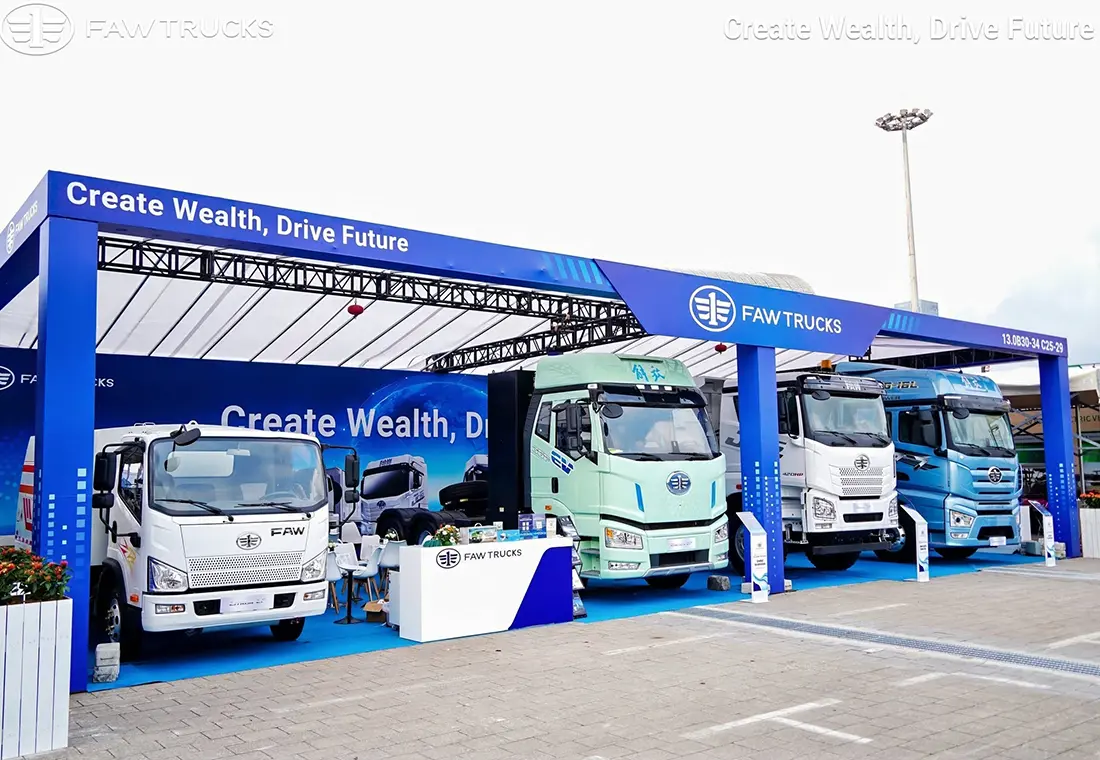
When FAW exhibited at NAMPO Cape in Bredasdorp in September 2026, the company’s Cape Town sales executive was on the stand discussing applications with producers rather than reading spec sheets — a small detail, but it is the kind of local presence an operator can test before spending money.
Table . FAW trucks priced in South Africa, September 2026
|
Model |
Segment / payload |
Chassis-cab from (excl VAT) |
Typical Cape Town duty |
|
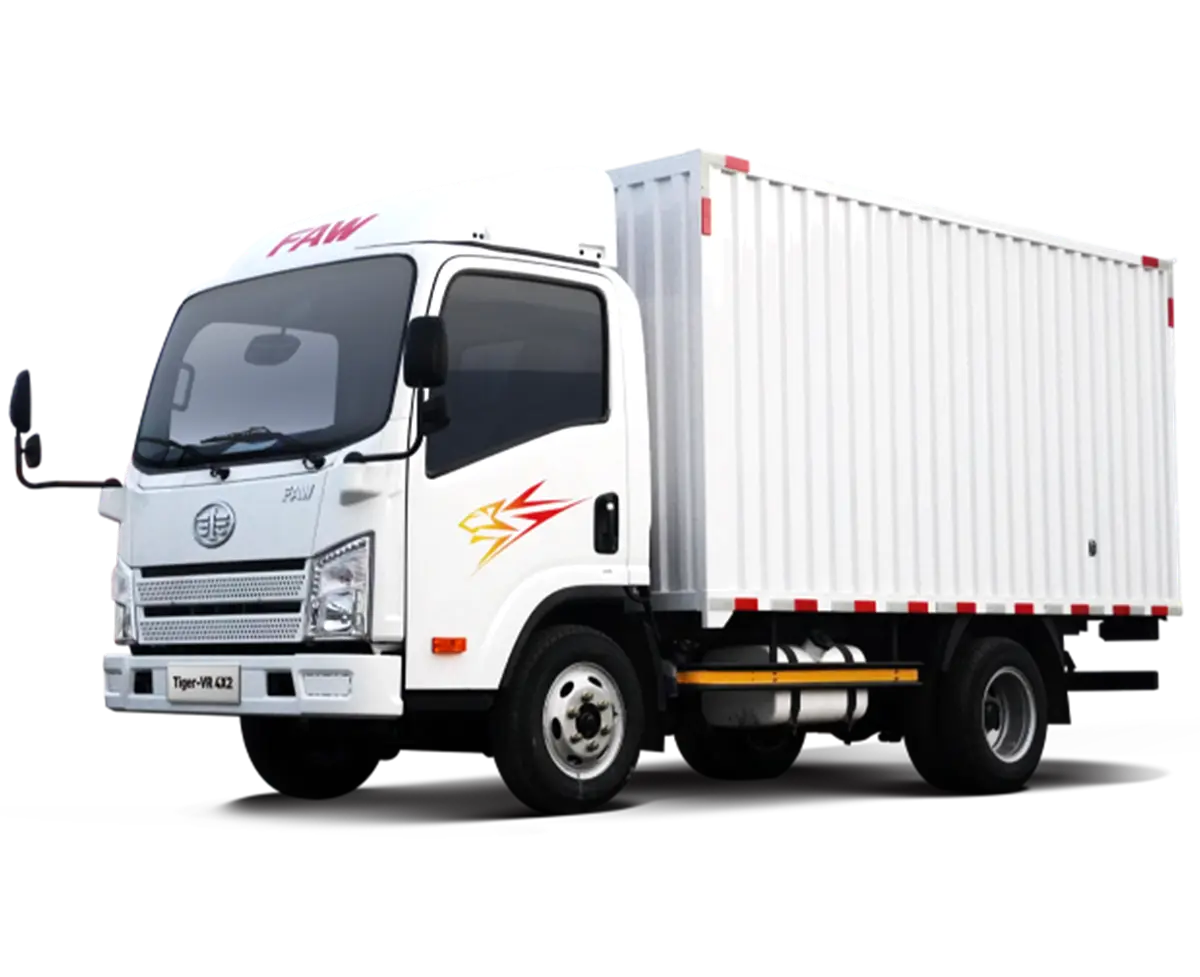
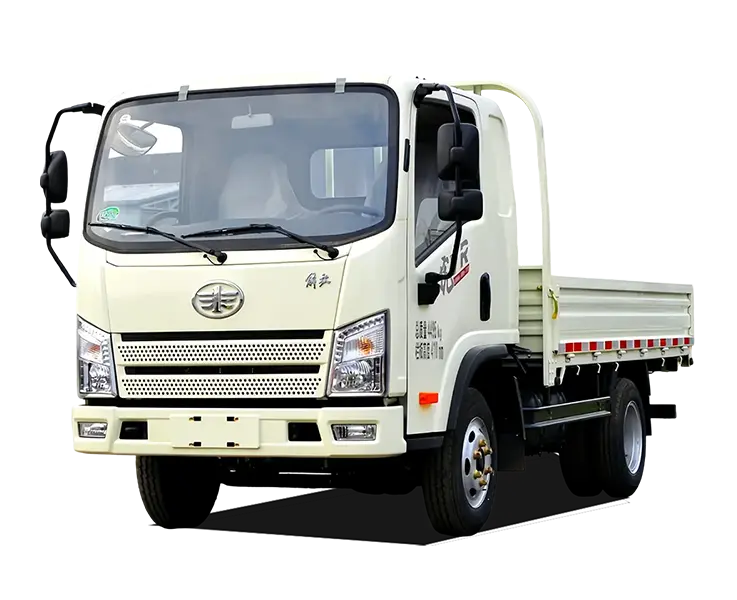
4.110 FL-MT |
2.5 t freight carrier, 5-speed manual |
R 230 000 |
Light distribution, garden services, small building supply |
|
6.130 FL-MT |
3.5 t freight carrier, van / dropside / tautliner |
R 295 000 |
Urban delivery, bakery and beverage routes |
|
8.140 FL-AMT |
5 t freight carrier, 6-speed AMT |
R 390 000 |
Furniture, building material, agricultural inputs |
|
JK6 16.260 FL-MT |
8.5 t freight carrier, 8-speed manual, semi-sleeper |
R 660 000 |
Regional freight on the N1/N2, farm-to-packhouse |
|
JK6 16.260 FL-AMT |
8.5 t freight carrier, 8-speed AMT |
R 710 000 |
Same duty, lower driver workload in city traffic |
|
JK6 28.310 FL |
6×4 freight carrier, 9-speed manual |
R 1 099 000 |
Longer-haul freight, bulk and palletised loads |
|
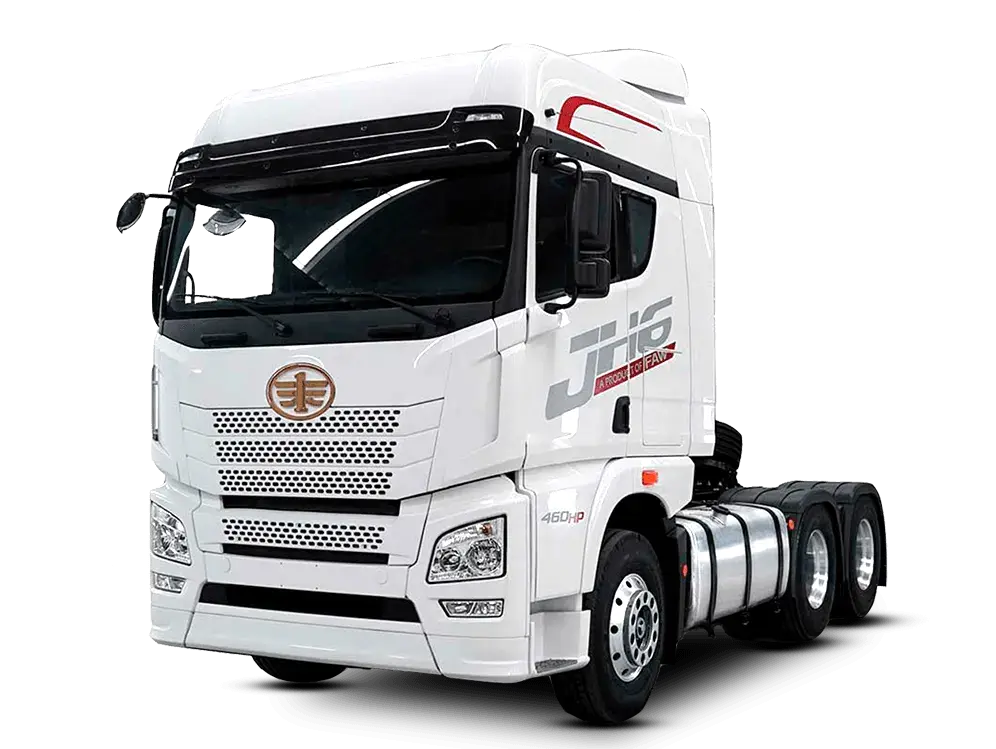
JH6 33.420 FT |
6×4 truck tractor, twin 450 L tanks |
Quote on application |
Container drayage from the port, line-haul |
|
J7 28.550 FT/M, FT/P |
6×4 flagship tractor, 12-speed AMT with intarder |
Quote on application |
Long-haul and cross-border, high annual distance |
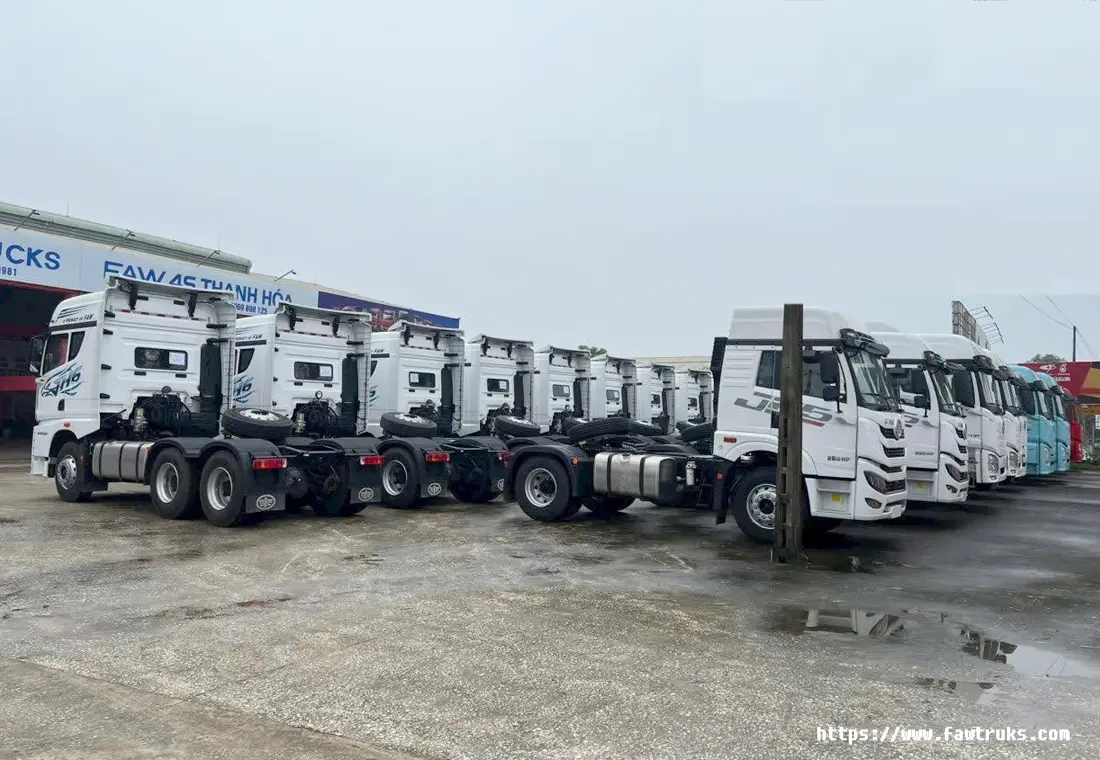
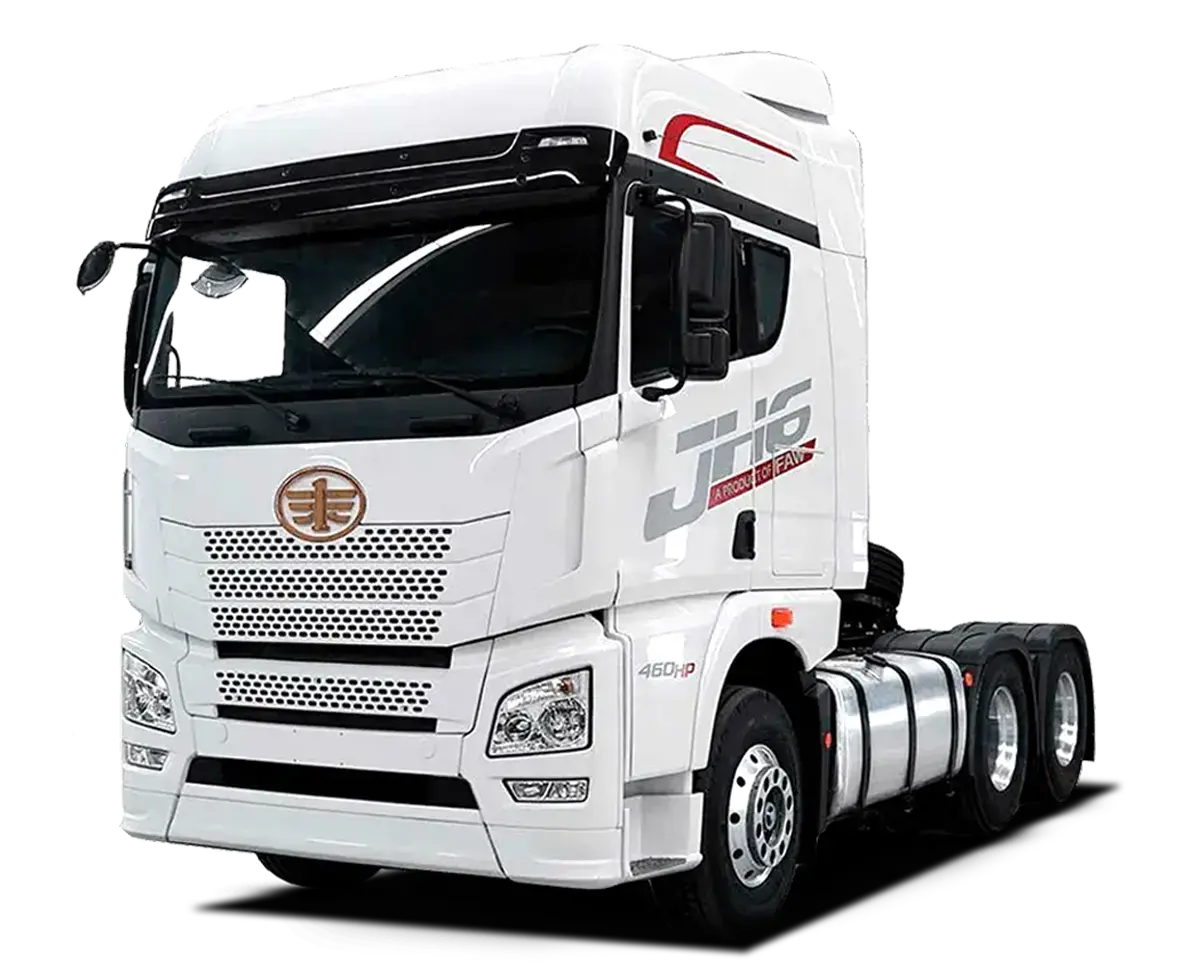
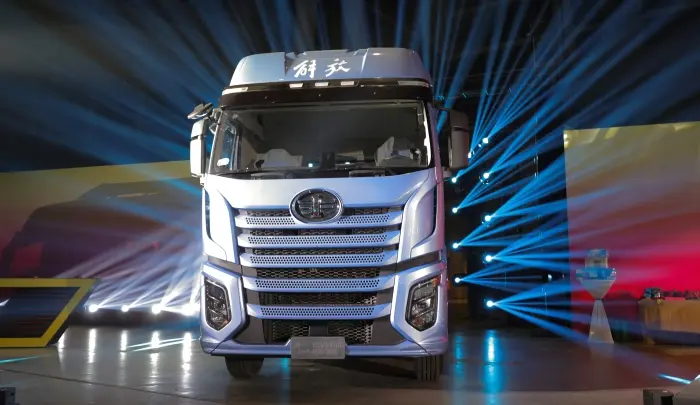
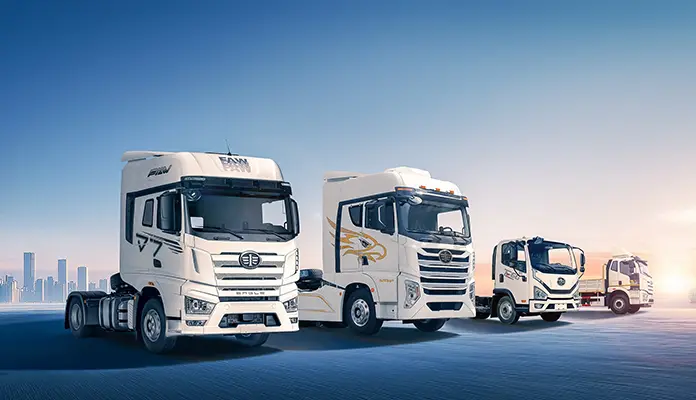
Two models deserve a note beyond the price. The J7 28.550 is FAW’s flagship long-haul tractor: a 12.52-litre six-cylinder engine producing 407 kW (546 hp) and 2 600 N·m, a ZF 12-speed automated manual transmission with an integrated intarder, and dual fuel tanks with a combined 1 200-litre capacity. FAW quotes warranty cover of up to 36 months or 600 000 km and a B10 service life of 1.5 million kilometres, plus AEBS, ESC, FCW, LDWS and TPMS as part of the safety package. For a fleet running Cape Town to Gauteng or into Namibia, those are the numbers that matter at resale, not the badge.
The JK6 16.260 is the volume model for a reason: 8.5 tonnes of payload allowance, a six-cylinder engine, a semi-sleeper cab, and the choice between an eight-speed manual and an eight-speed AMT for roughly R50 000 more. On the Cape Flats and the N2 corridor, where a driver may make fifteen stops before lunch, the AMT earns its premium in clutch life and fatigue rather than in fuel.
FAW Trucks Cape Town ,Pure Electric Truck
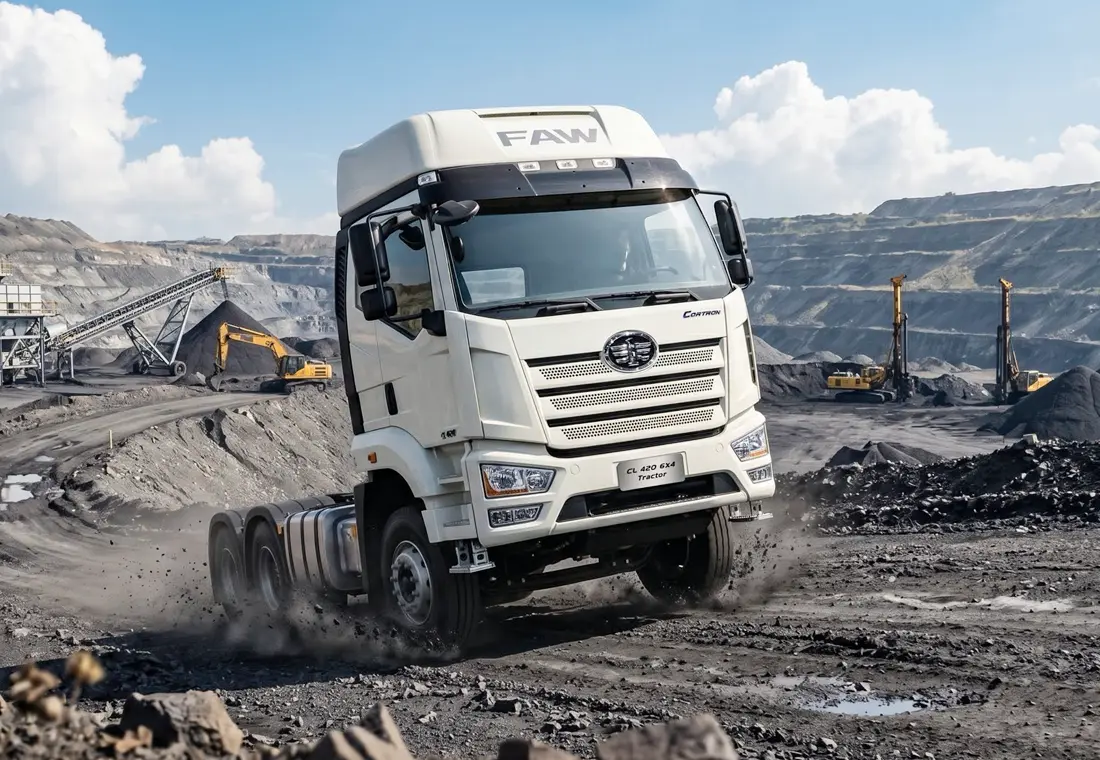
FAW Trucks Cape Town
Why the Western Cape rewards a simple truck
Cape Town’s freight task is unusually varied for a city of its size. The container terminal and the Table Bay port area generate short, repetitive drayage. The Boland and Overberg generate seasonal agricultural peaks — wine, table grapes, citrus, grain — that arrive with a harvest window and disappear. The construction and quarry trade around Durbanville, Malmesbury and the West Coast runs loaded both ways on short gradients. And the N1 north and the N7 to Namibia generate genuine long-haul work that a regional truck cannot serve.
A single platform cannot do all four well, which is why the range matters more than any one model. What the Western Cape does reward is mechanical simplicity: fewer electronic subsystems to diagnose, a parts network inside a two-hour drive, and a cab that a driver can work in for a full shift. FAW’s own positioning leans on exactly this — robust construction, a straightforward design philosophy, and cost of ownership rather than specification one-upmanship.
There is an honest limitation to state here. A budget-oriented tractor is not a premium European cab, and buyers who need 600 hp, predictive cruise control and a 900 mm bunk should expect to pay for them elsewhere. The FAW case is strongest where the truck is a production asset with a known route, a known load and a known annual distance, and weakest where the truck is a driver-retention tool in a tight labour market.
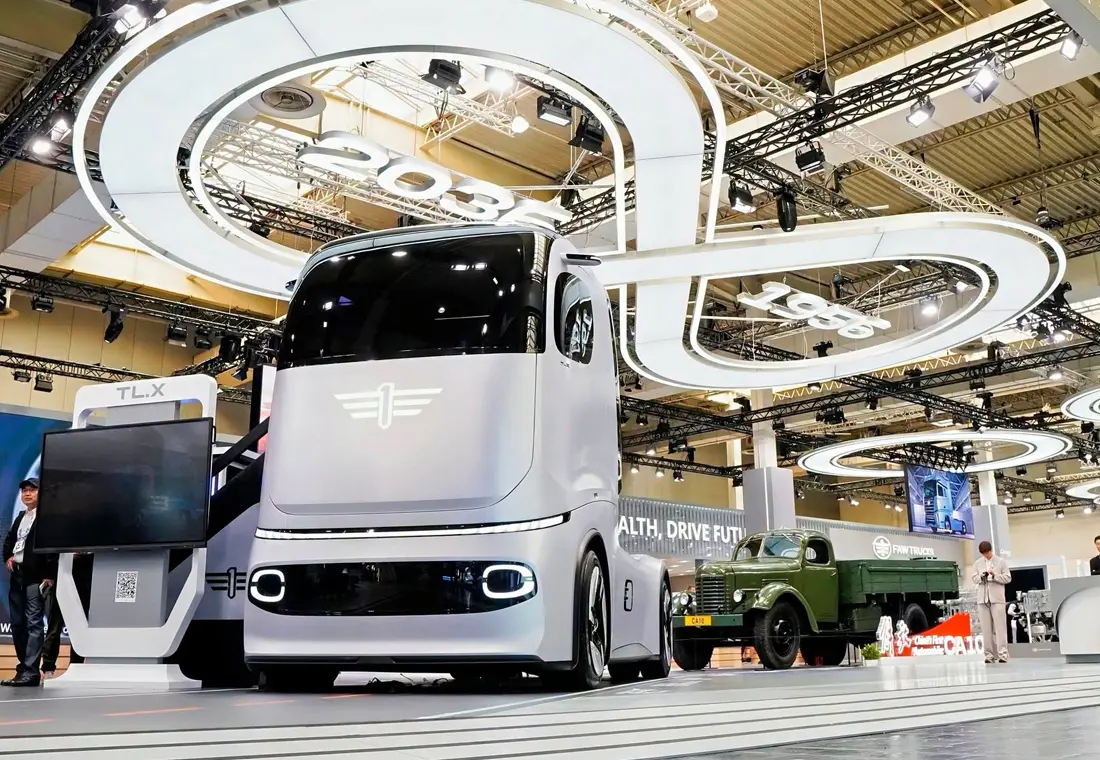
The FAW pure electric truck: what the product actually is
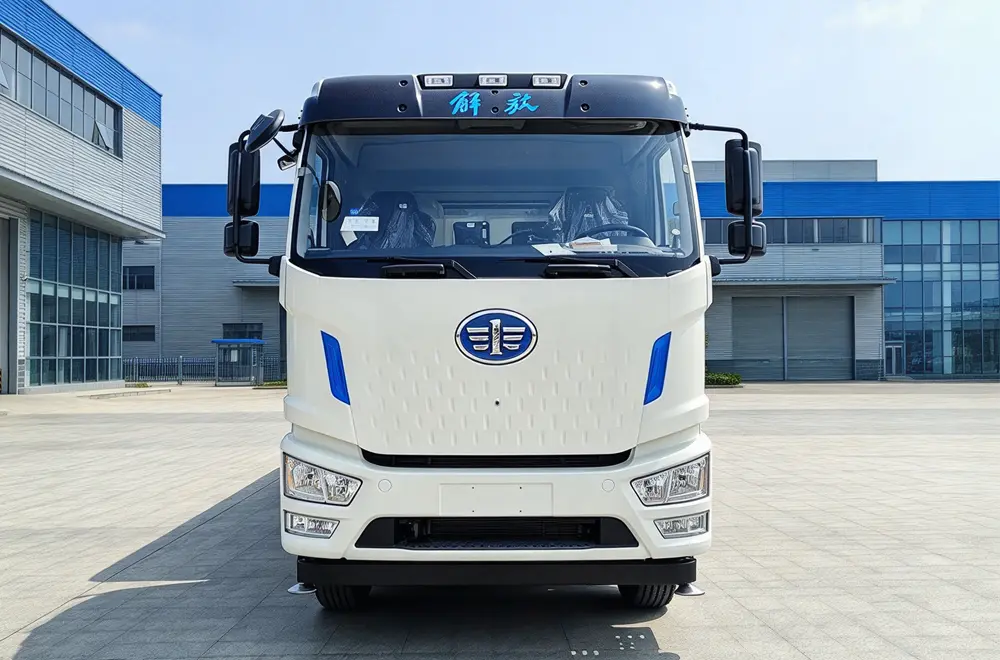
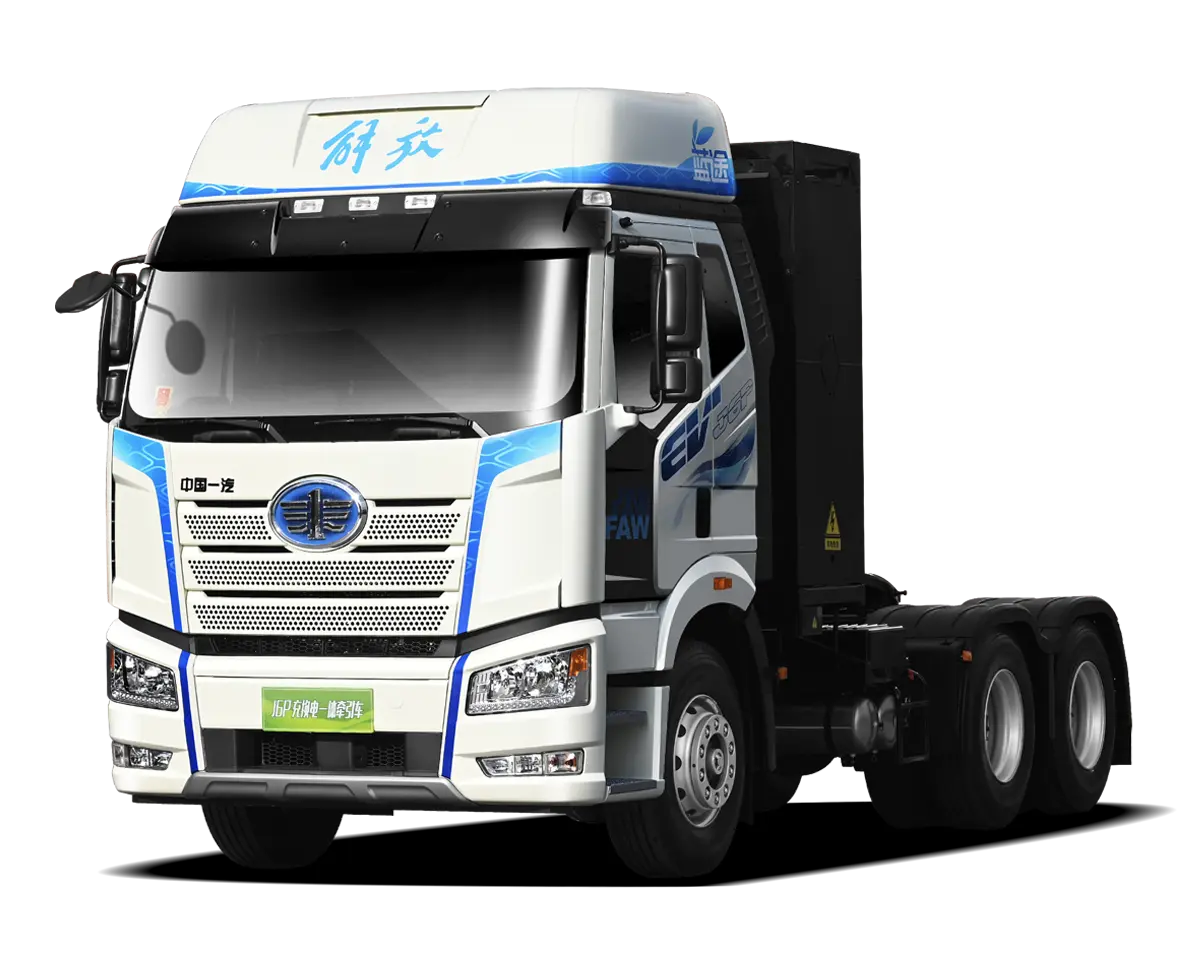
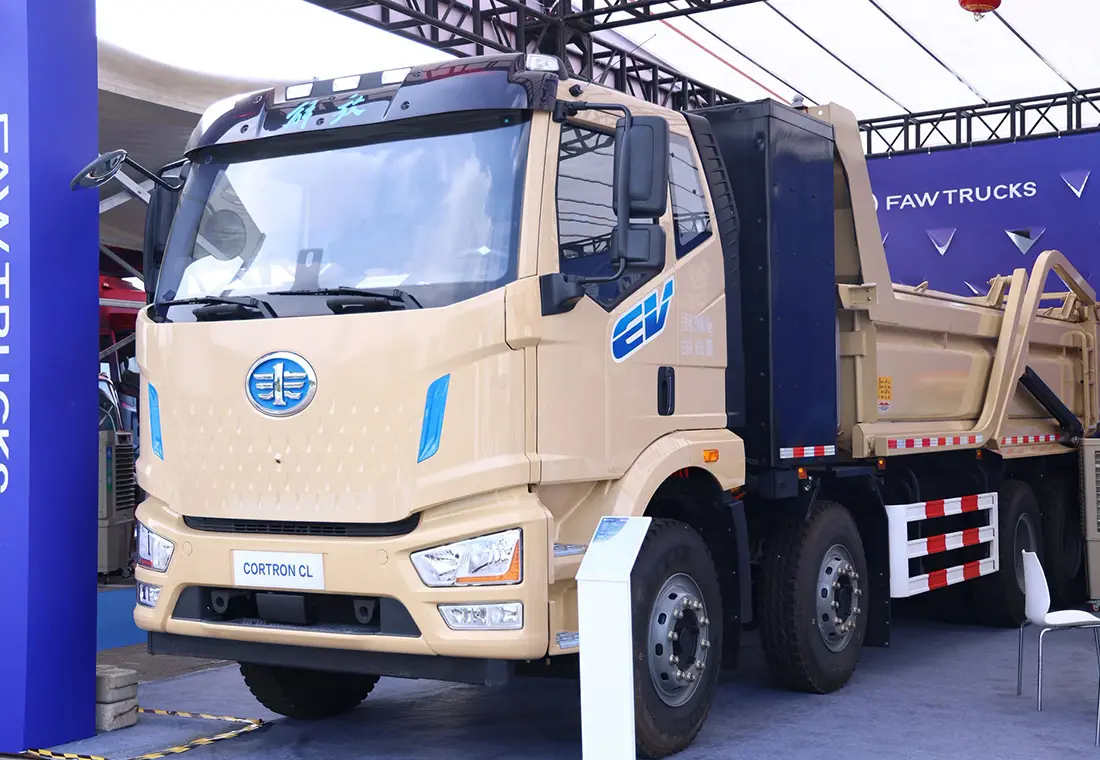
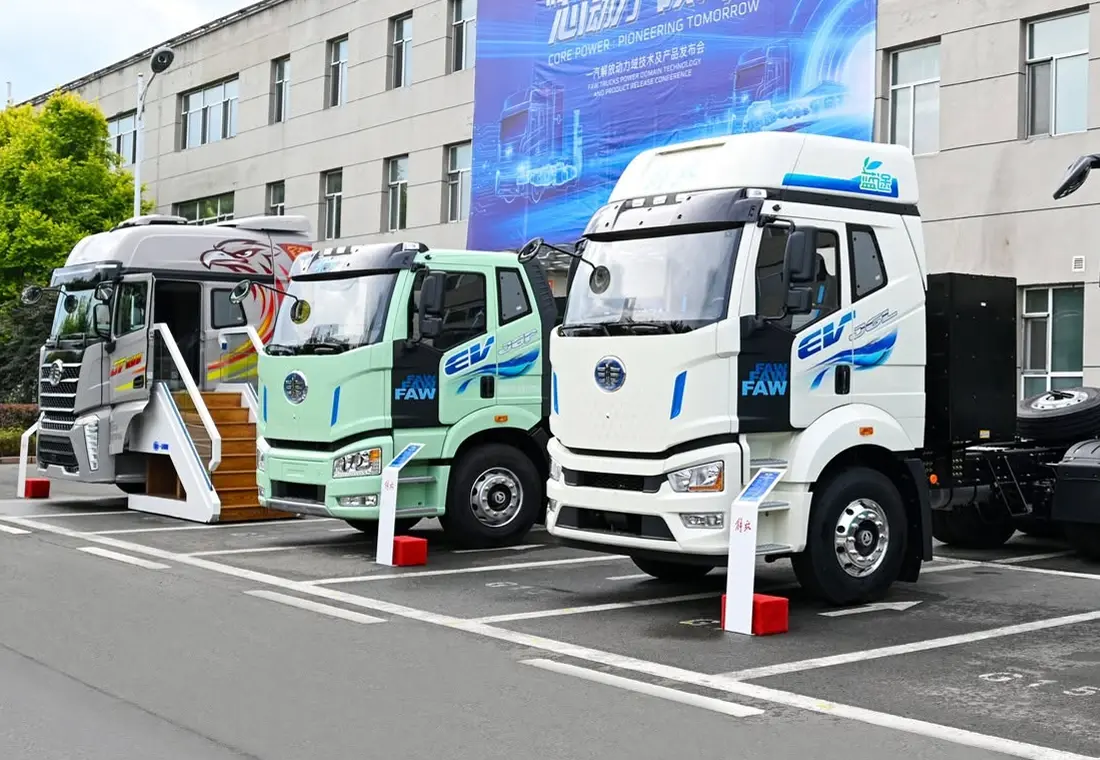
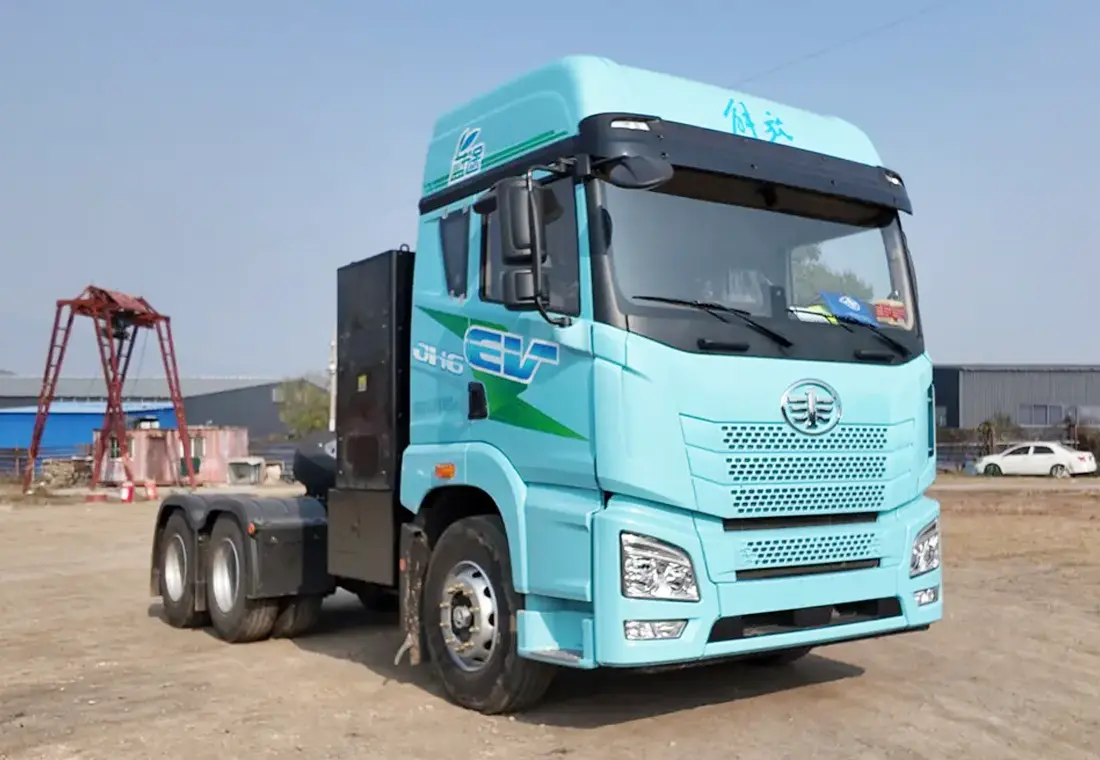
FAW Jiefang’s electric range is real, mature and already exported — it is simply not yet a mainstream South African retail line. The flagship is the J6P New Energy Tractor, built on FAW’s own “Blue Journey 3.0” platform with self-developed electric axles and motors that the company says have been verified over 30 million kilometres of real operation. Its headline figures are unusually specific for this segment.
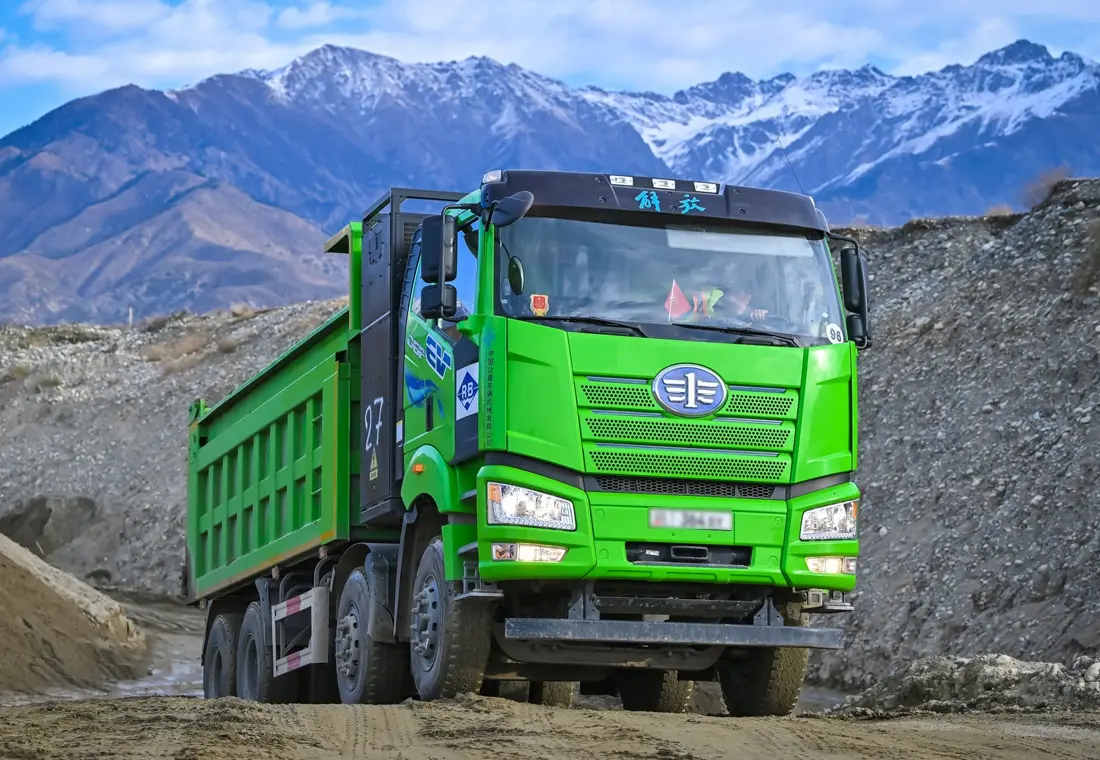
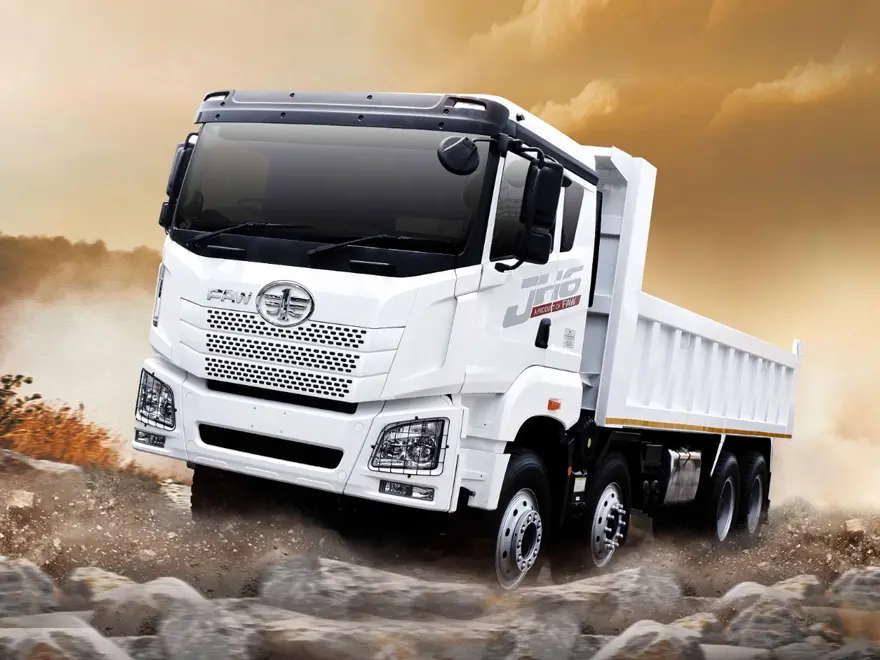
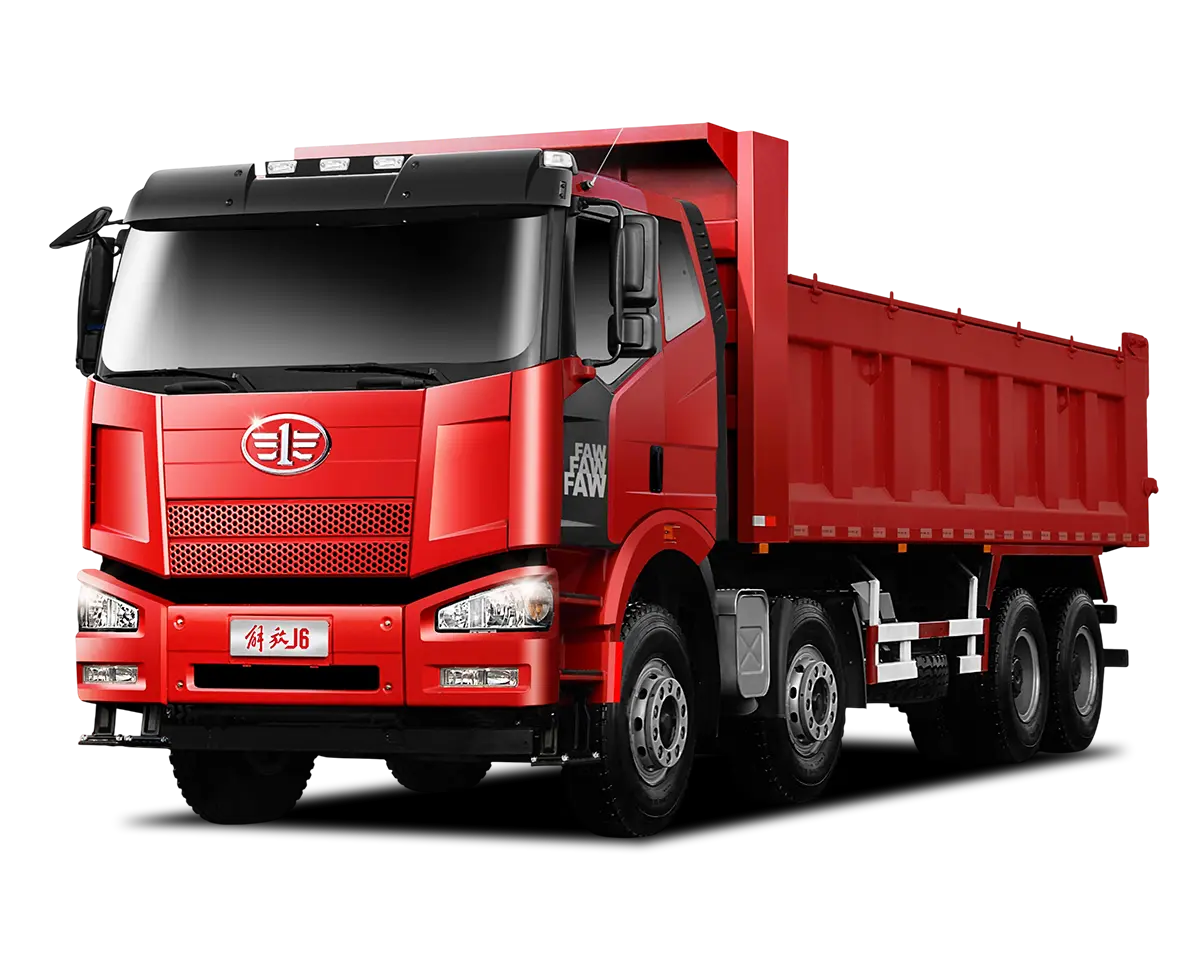
FAW J6P Electric Dump Truck
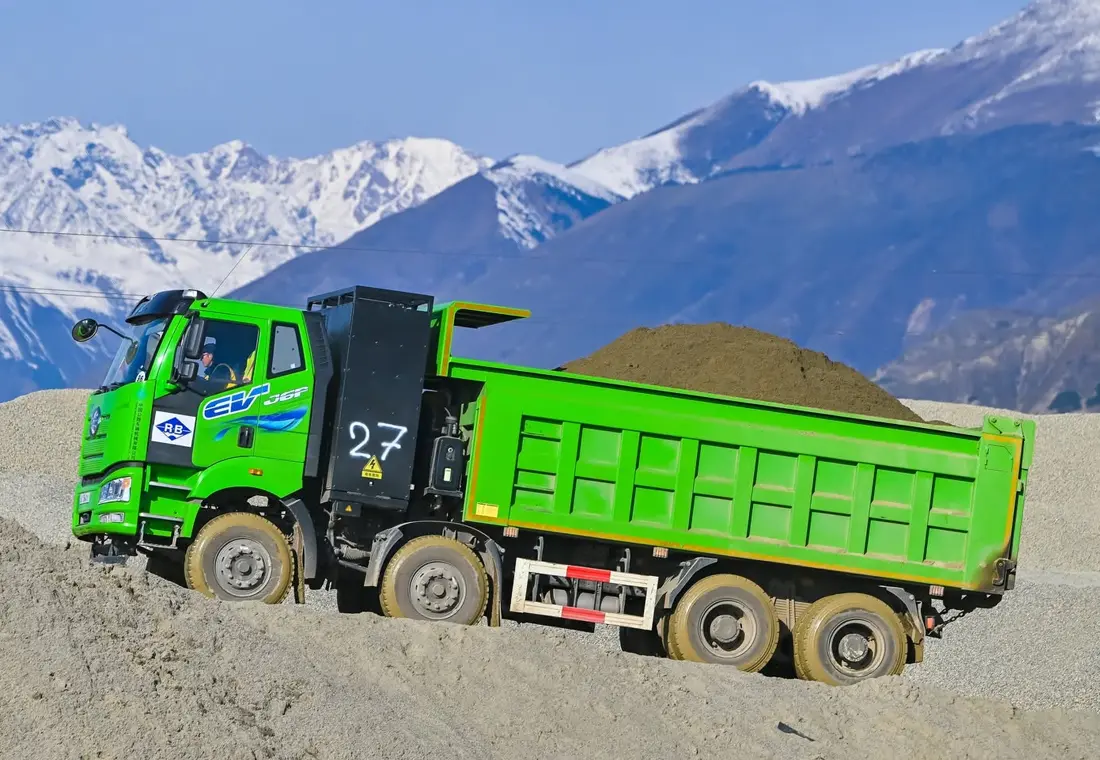
FAW J6P Electric Dump Truck
Table 5. FAW pure electric truck specifications (as published by FAW Jiefang, 2026)
|
Item |
FAW J6P New Energy Tractor |
FAW J6F light electric truck |
|
Battery |
466 kWh CATL lithium iron phosphate (LFP) |
98 kWh LFP |
|
Charging |
500 A high-current DC fast charge, 20–80% in about 45 minutes; EU-standard charging system |
About 1.5 hours AC/DC depending on charger |
|
Power / torque |
Up to 600 kW, peak torque above 3 500 N·m |
Light-truck duty, approx. 500 N·m |
|
Quoted range |
Variant-dependent; LFP packs in the 280–466 kWh class |
Around 260 km |
|
Best-fit work |
Port drayage, fixed-haul shuttles, high annual km on short corridors |
Urban distribution, last-mile, municipal service |
Three details separate this from a converted diesel. First, the charging standard: FAW states the J6P supports the EU charging system, which matters in a market where the charging hardware you find on site is more likely to be CCS2 than a Chinese national-standard gun. Second, the battery chemistry: LFP tolerates daily full charging and high ambient temperature better than high-nickel chemistries, which suits a South African summer. Third, the torque figure: above 3 500 N·m from a standing start is what allows a 40-tonne combination to pull away on the ramps at the port without the driveline drama of a manual diesel.
What is missing is the local context. As of November 2026, FAW’s published South African retail offers are diesel models, and the electric line appears in FAW Jiefang’s international catalogue rather than in the Cape Town showroom’s price list. A buyer who wants one today is doing a parallel-import or fleet-supply project, with homologation, charging installation and a service plan to solve before the first unit turns a wheel.
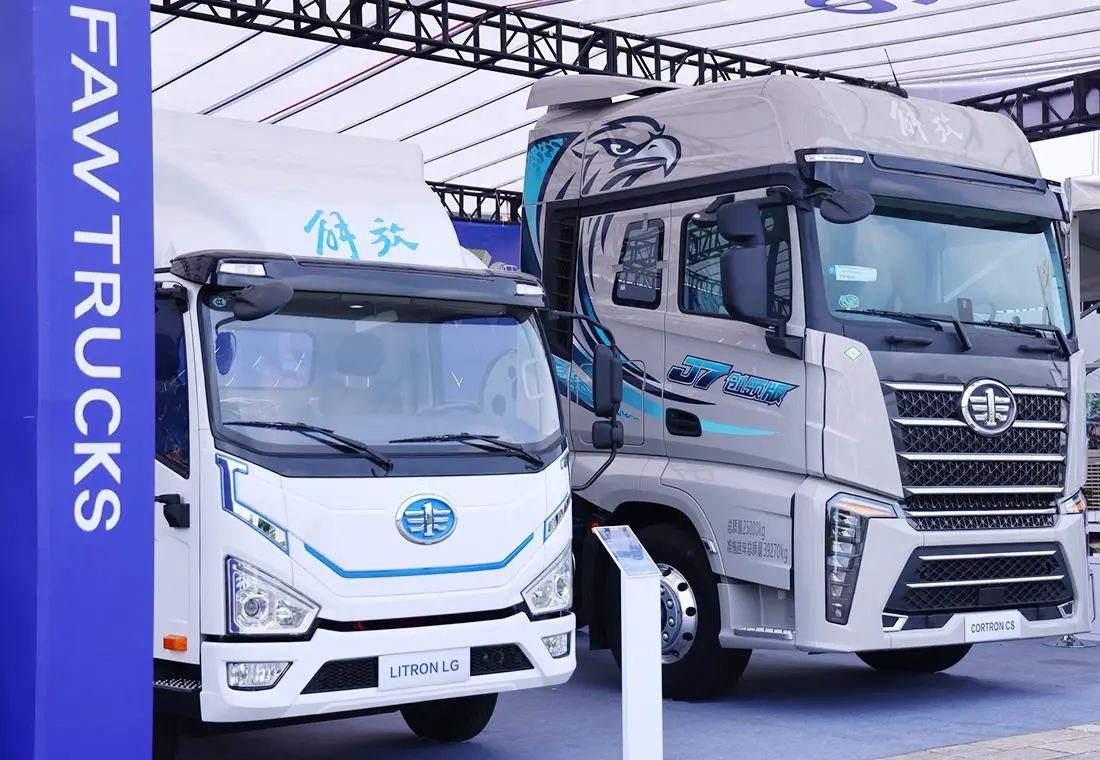
FAW Trucks Cape Town ,Pure Electric Truck
FAW Trucks Cape Town ,Pure Electric Truck
Would an electric FAW work in Cape Town? Three routes, three answers
Route one: port and industrial shuttles. The port drayage run from the container terminal to a warehouse in Epping or Montague Gardens is close to ideal: a short, repeatable cycle, a known daily distance, and a depot where a charger can be installed once and used every night. If the daily distance fits inside one pack, the electric case does not depend on battery breakthroughs — it depends on your electricity tariff and how many hours the truck is actually productive.
Route two: agricultural and packhouse shuttles. A farm or packhouse running pallets to the harbour or to a dc in Paarl is a good fit in principle, but the harvest window is not the problem — the electricity supply is. Many rural Western Cape sites have a connection sized for irrigation and a packhouse, not for 400 kW of charging. Before specifying an electric truck, ask the supplier of power, not the supplier of trucks.
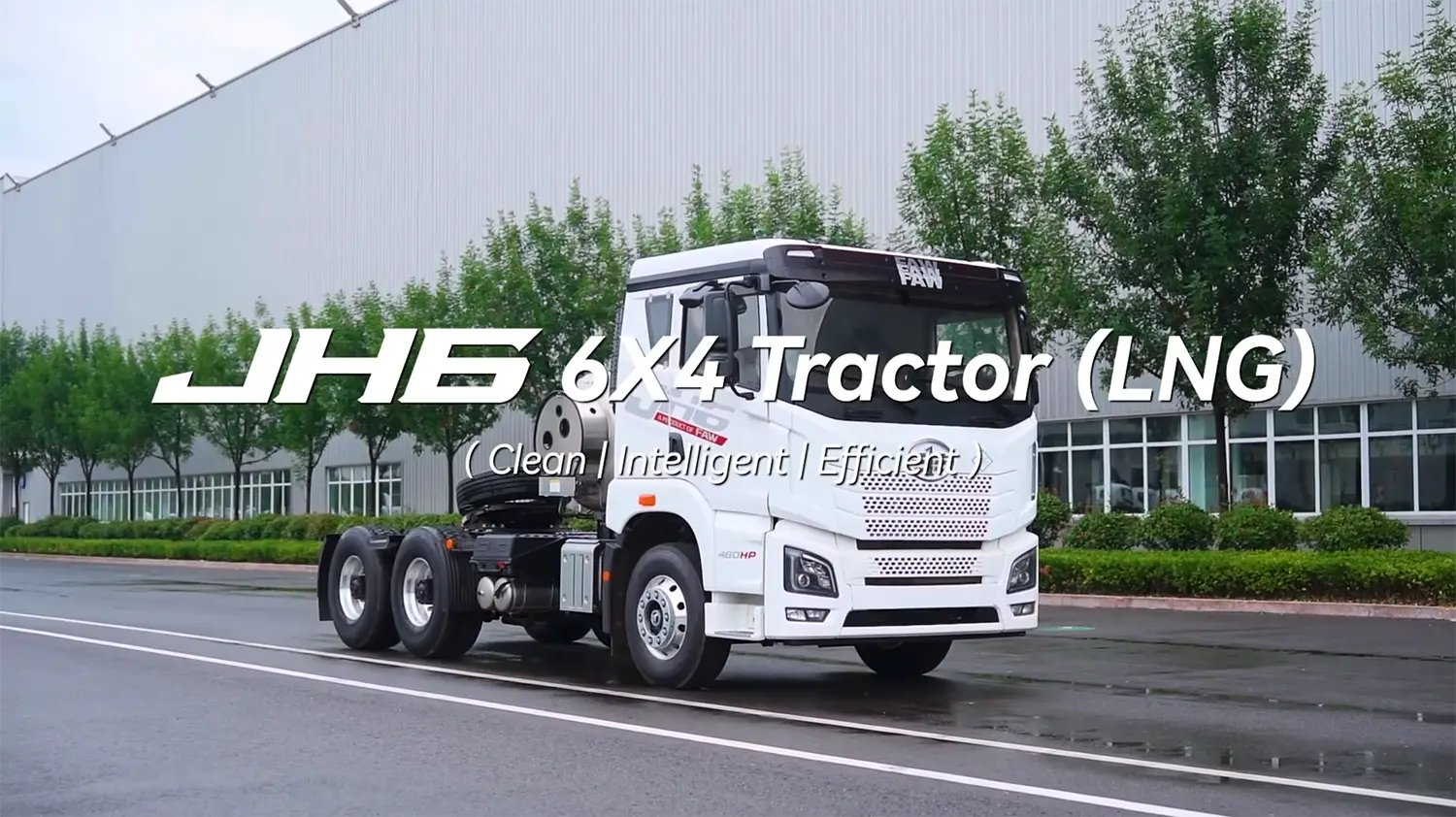
Route three: long-haul and cross-border. A 1 400 km round trip to Gauteng with an eight-hour turnaround has no answer in 2026: the distance is longer than any single pack comfortably covers, and the corridor’s charging stops are neither dense nor guaranteed. This is where diesel, or increasingly LNG, remains correct — and where a buyer should resist the temptation to make one electric truck prove a fleet strategy.
FAW Trucks Cape Town ,Pure Electric Truck
FAW Trucks Cape Town ,Pure Electric Truck
The arithmetic that decides it — and why South Africa is not China
Electric truck business cases in China are usually built on a large diesel-to-electricity price gap. In South Africa that gap is narrower, because electricity tariffs have climbed faster than diesel prices for most of the past decade. The result is a case that is far more sensitive to utilisation than to energy price — which is why a copy-pasted Chinese TCO model will mislead a Cape Town buyer.
Take a planning figure of 45 L/100 km for a loaded 6×4 combination and diesel at R22 per litre: R990 per 100 km. An electric tractor on the same work at roughly 2.5 kWh/km and an industrial tariff of R3.00/kWh uses 250 kWh, or R750 per 100 km — about 24% lower. Push the tariff to R4.00/kWh and the electric figure becomes R1 000, which is parity or worse. Push diesel to R24 and the gap reopens.
Two conclusions follow, and both should appear in any honest quotation. First, energy alone will not pay for the premium in the Western Cape; maintenance and uptime have to carry part of it. Second, the variables worth negotiating are the tariff and the charging window, not the truck specification. A fleet that can charge on a time-of-use tariff overnight, on a connection it already owns, is in a completely different position from one that must fund a substation upgrade.
The maintenance half is more favourable than sceptics expect: no engine oil, no fuel filters, no exhaust aftertreatment, and fewer brake services because the motor retards. Against that, battery thermal management, high-voltage training for technicians, and charger maintenance are new line items. In a city where the nearest qualified HV technician may be the deciding factor, that is not a small consideration.
FAW Trucks Cape Town
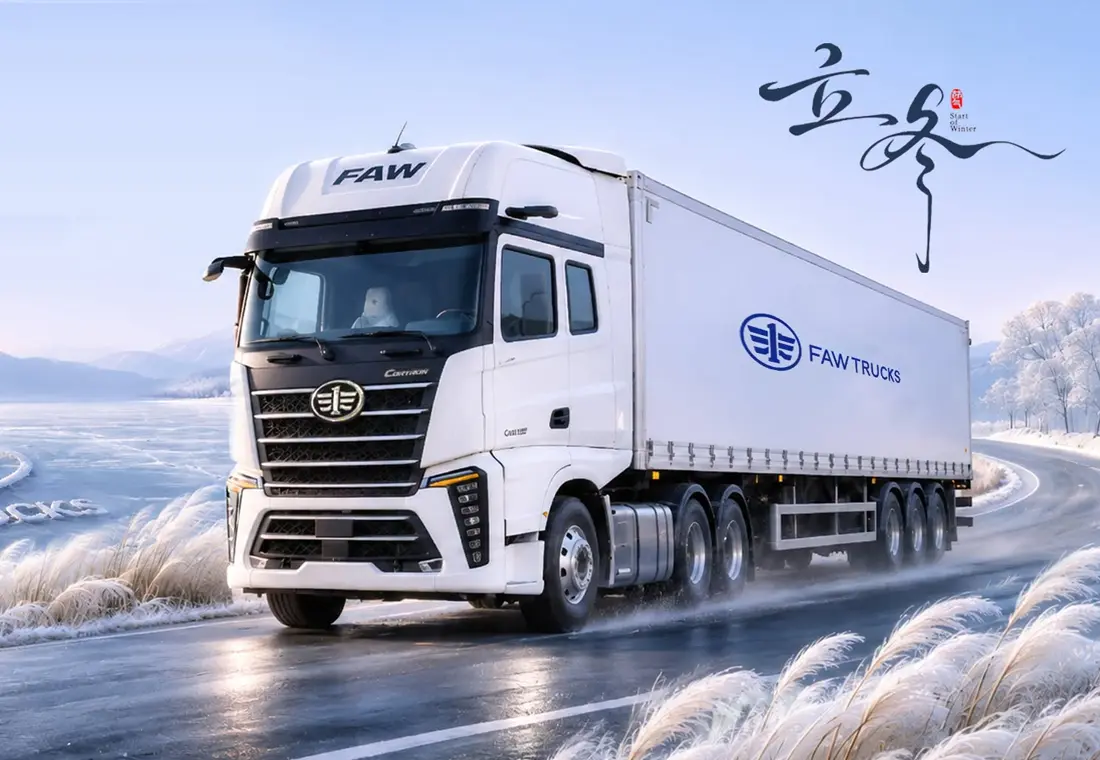
FAW Trucks Cape Town
What has to be true before a Cape Town fleet orders an electric truck
- a written capacity figure at the depot, with the connection upgrade cost and lead time in the business case.Power, not promises:
- confirmation from the importer that the model is homologated for South African registration, and who signs the warranty.Authentication:
- a named HV-certified technician and a parts lead time for the inverter, the motor and the pack — in writing, with the dealer’s location.Service depth:
- capacity retention threshold, cycle count, calendar years, and what happens at year five when the pack is at 78%.Battery terms:
- a view on what a five-year-old electric tractor is worth in a market where the buyer pool is currently small.Resale:
- CCS2 compatibility confirmed against the charger you intend to buy, not assumed from the brochure.Charging standard:
How to specify a FAW truck for a Cape Town route
Whether the answer is diesel or electric, the specification work is the same, and it is where most of the money is won or lost:
- loaded and empty distance, gradient, stop count, and the actual hours the truck is productive rather than waiting.Route profile:
- weighbridge figures from your own operation, not the brochure allowance; body mass is part of the calculation.Payload reality:
- dropside, tautliner, van, tipper or mixer — and whether a chassis cab from the price list plus a local body builder beats a factory body.Body and application:
- manual versus AMT is a driver and clutch-life decision as much as a fuel decision, and worth roughly R50 000 on a JK6.Transmission:
- tank capacity sets your route; 900 litres on a JH6 33.420 and 1 200 litres on a J7 are different operating models.Fuel strategy:
- the truck should be within reach of Cape Town, George or Worcester for planned maintenance, and have a plan for when it is not.Service distance:
- warranty term, service plan inclusions, and roadside assistance response time in the Western Cape.Warranty and plan:
Can I buy a FAW pure electric truck in Cape Town today?
Not as a standard retail order. FAW’s published South African offers in 2026 are diesel models; the pure electric line — the J6P New Energy Tractor and the J6F light electric truck — sits in FAW Jiefang’s international catalogue. Buying one means a fleet-supply or parallel-import project, with homologation, charging infrastructure and a service plan arranged before delivery. Ask any supplier to state, in writing, who holds the warranty and where the truck will be serviced.
What is the range of the FAW electric truck?
The J6P New Energy Tractor uses a 466 kWh CATL LFP pack, with LFP options in the 280–466 kWh class depending on variant. Quoted range varies widely with load, gradient and ambient temperature, so treat any single figure as a planning input rather than a specification. The J6F light electric truck is quoted at around 260 km on a 98 kWh pack.
How long does the FAW electric truck take to charge?
FAW quotes 500 A high-current fast charging on the J6P New Energy Tractor, taking the pack from 20% to 80% in about 45 minutes, and states compatibility with the EU charging system. Real-world time depends on the charger you install: a 120 kW charger and a 400 kW charger give very different shift plans for the same truck.
Is a FAW truck cheaper than a European truck?
The published chassis-cab prices are competitive — an 8.5-tonne JK6 16.260 starts at R660 000 excluding VAT, and a 5-tonne 8.140 FL-AMT at R390 000 — and FAW positions itself on cost of ownership rather than on premium specification. Whether that is cheaper over five years depends on resale value, fuel consumption on your route, and how far the truck is from a service point. Compare total cost per kilometre, not sticker price.
Which FAW truck suits a Western Cape agricultural operation?
For farm-to-packhouse and packhouse-to-port work, the JK6 16.260 at 8.5 tonnes is the usual starting point, with the AMT version if the route involves frequent stops. For bulk grain and longer regional legs, the JK6 28.310 6×4 freight carrier is the step up. For seasonal peaks where a truck sits idle for months, a used unit or a short-term rental usually beats a new purchase — an honest answer that a good dealer will give you.